
Kathmandu Valley Heritage Tour
Kathmandu Valley
Explore the historic cities of Kathmandu, Patan, and Bhaktapur, moving through palace squares, temples, courtyards, traditional streets, and living cultural neighbourhoods across the Kathmandu Valley.
Overview
A quick look at what awaits on the tour.
The Kathmandu Valley Heritage Tour connects three historic cities, Kathmandu, Patan, and Bhaktapur, each shaped by Newari architecture, craftsmanship, and Hindu and Buddhist traditions.
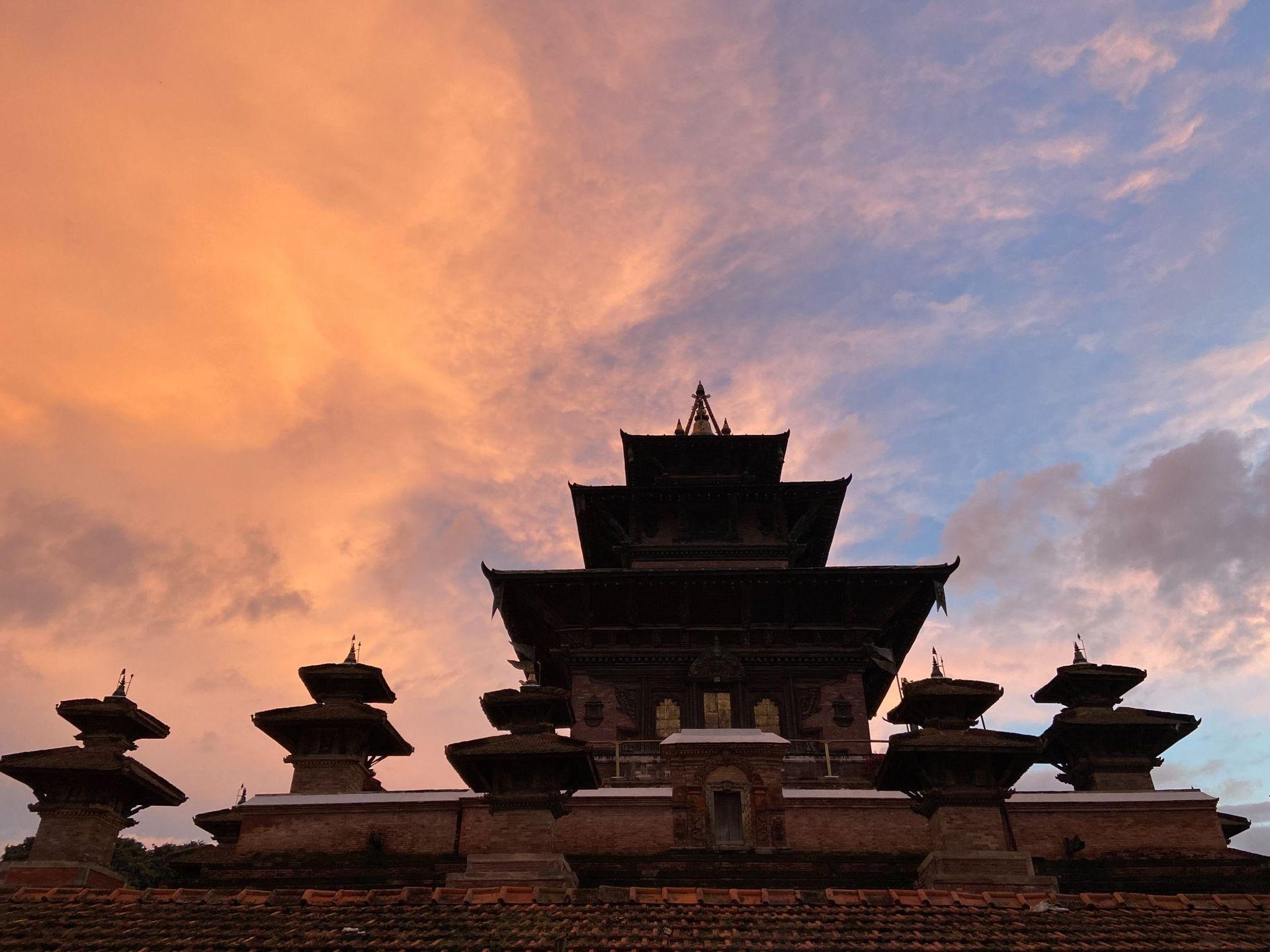
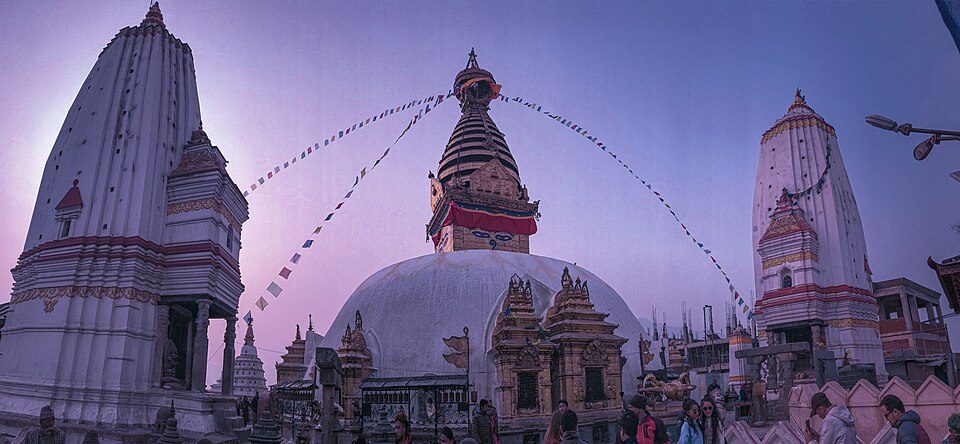
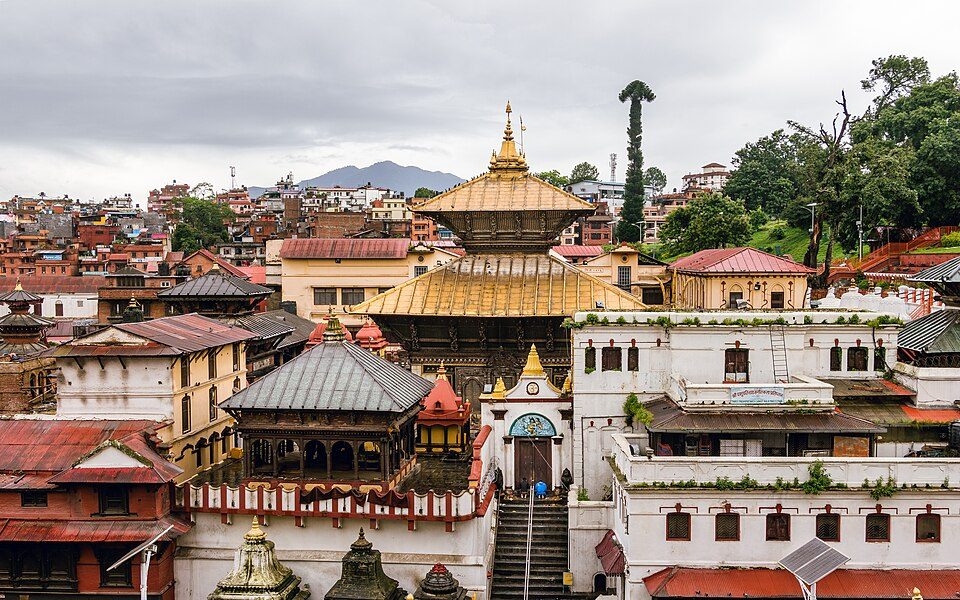
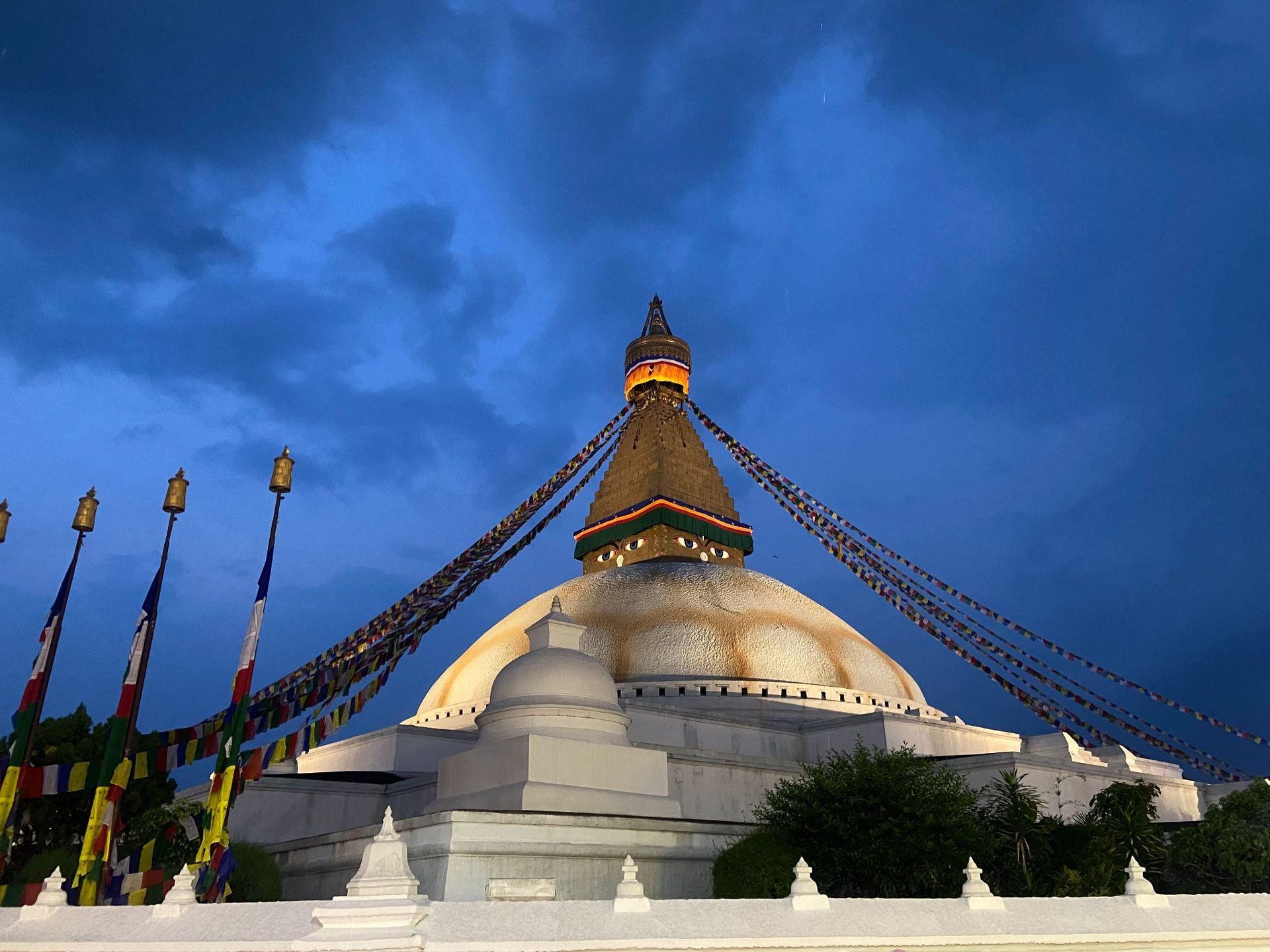
The journey begins in Kathmandu, exploring the historic centre around Kathmandu Durbar Square before continuing to Swayambhunath, Pashupatinath, and Boudhanath. The day brings together palace courtyards, temples, stupas, and traditional neighbourhoods that remain part of everyday life in the city.
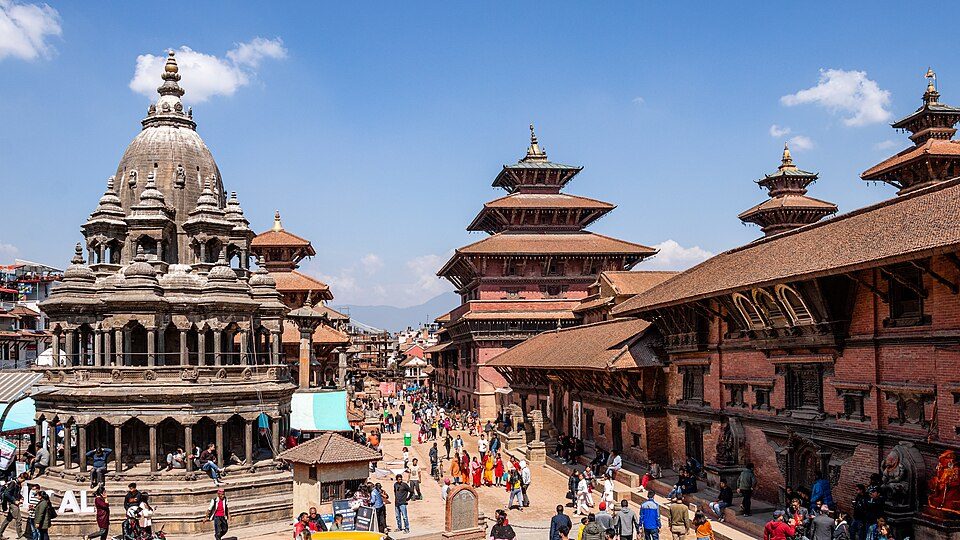
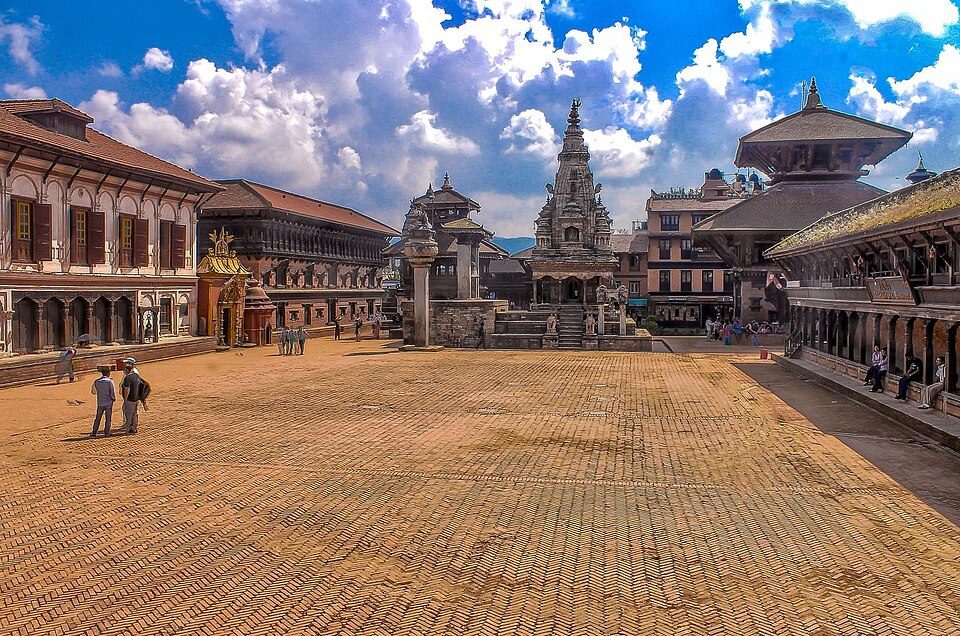
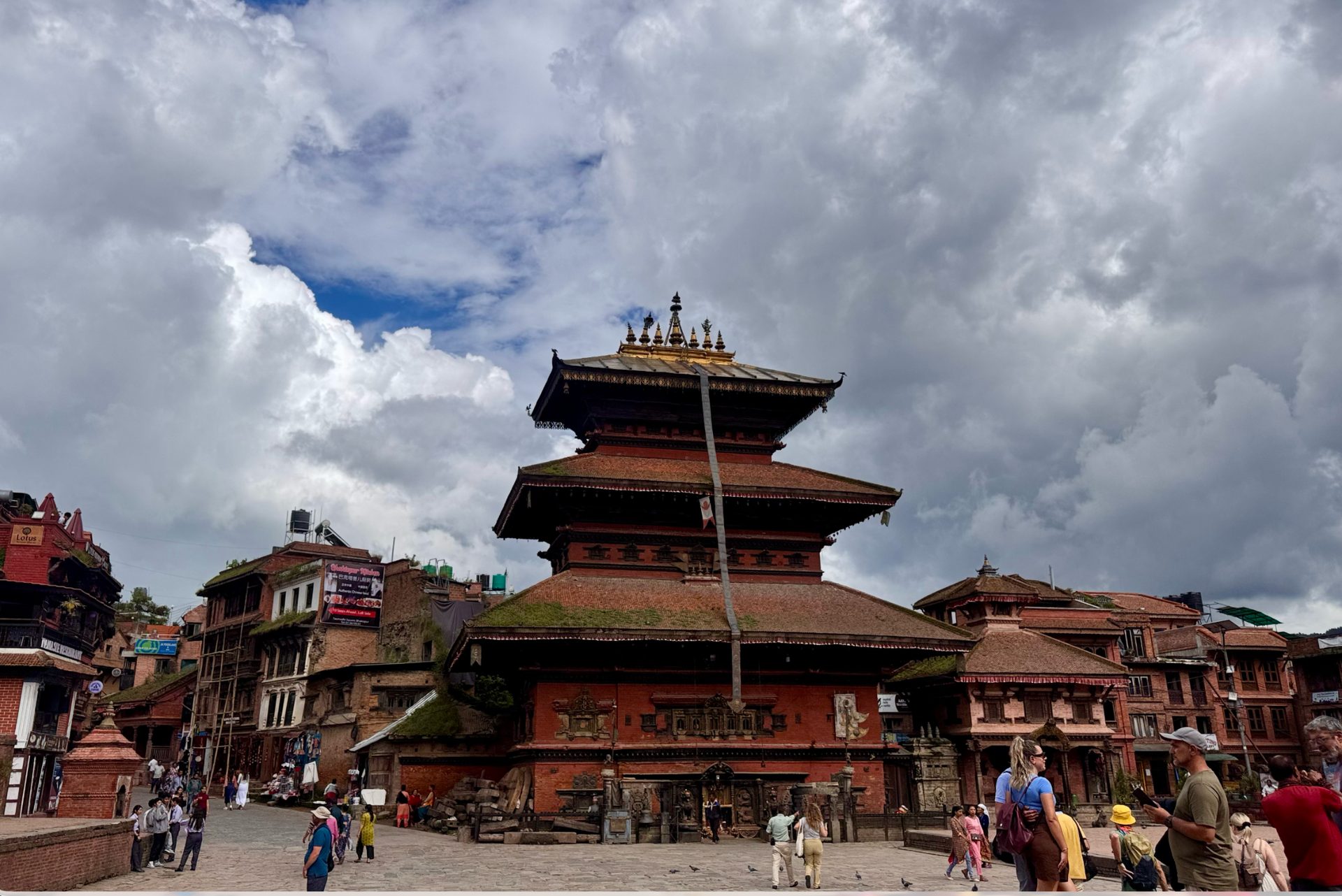
The second day moves south to Patan, where Durbar Square and the surrounding bahals, courtyards, temples, and craft traditions reveal the city’s distinctive architectural character. The final day reaches Bhaktapur, known for its traditional streets, brick-built architecture, historic squares, and long-standing craft traditions.
Together, the three days offer a closer look at the architectural heritage and living culture of the Kathmandu Valley.
When Should I go?
Month-by-month conditions to help you plan your trip.
Monthly Window
Conditions vary through the year with the seasons.
Note: Peak Season to visit Kathmandu Valley Heritage Tour is Year-Round
October
OptimalOctober is one of the best times to go. Conditions are shaped by dry & clear, bringing best mountain views. Skies are typically stable and visibility is good, and visitor numbers tend to be high.
Select the current month to see today’s live forecast.
What to Expect
Understand rhythms before you go
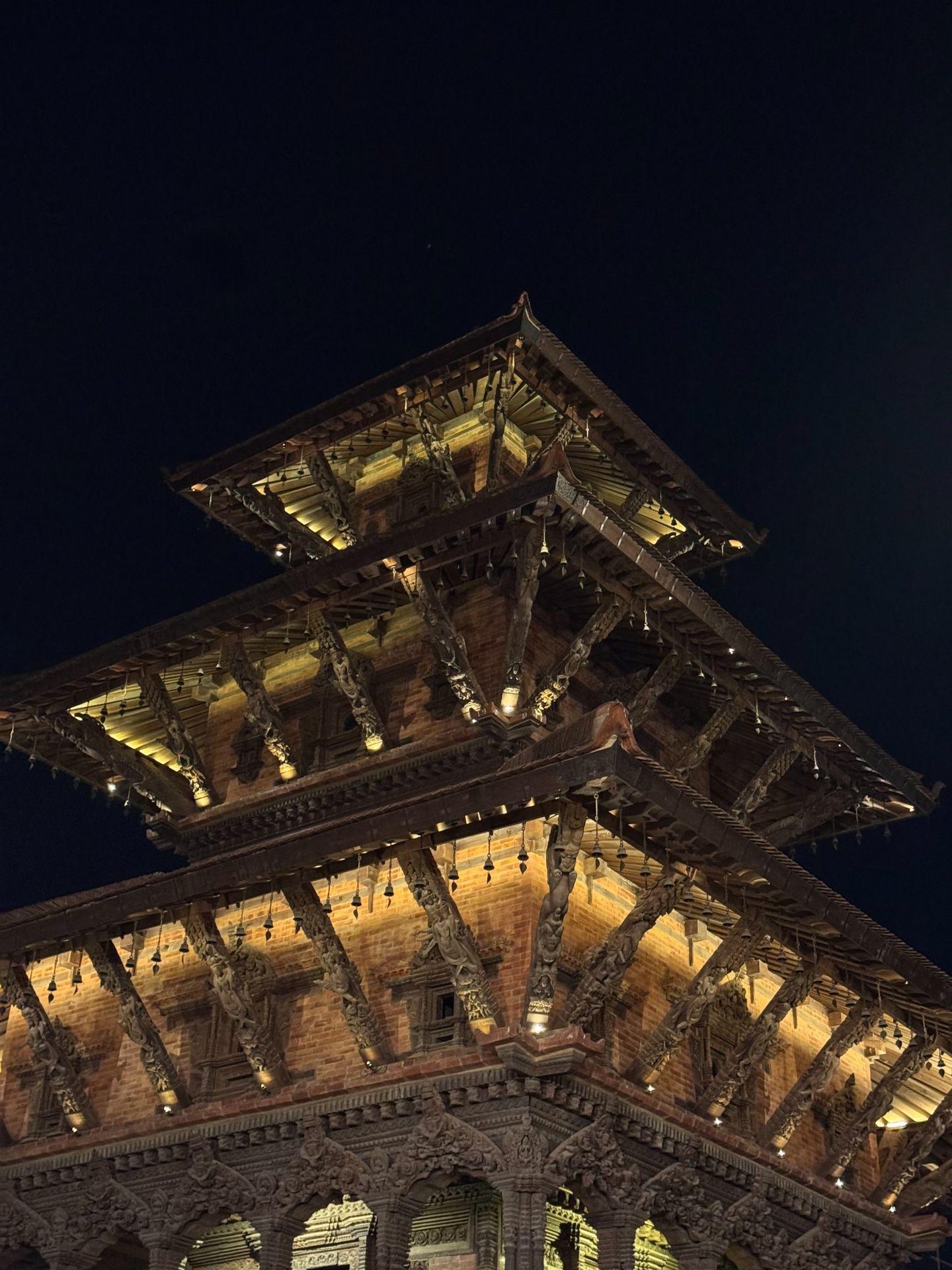
“Explore the historic cities of Kathmandu, Patan, and Bhaktapur, moving through palace squares, temples, courtyards, traditional streets, and living cultural neighbourhoods across the Kathmandu Valley.”
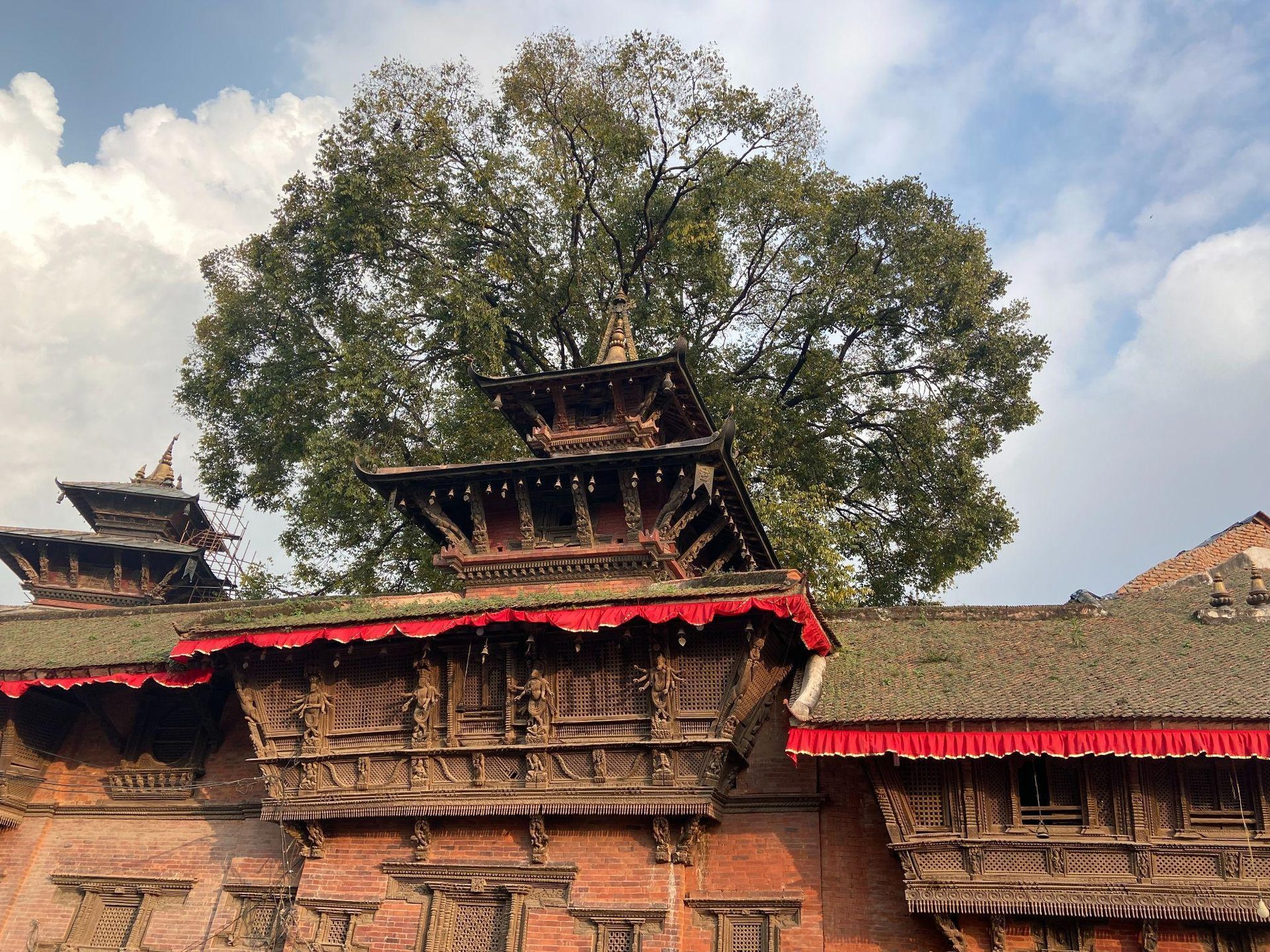
Three Historic CitiesKathmandu, Patan, and Bhaktapur each have their own palace squares, temples, courtyards, and distinctive traditions of Newar architecture and craftsmanship.
Living Culture & Daily LifeThese heritage areas remain lived-in neighbourhoods, not open-air museums. Expect daily rituals, local markets, and residents going about ordinary life alongside the monuments.
Walking & StreetsThe heritage areas are explored primarily on foot through paved streets, courtyards, narrow lanes, and occasional stone steps. Surfaces can be uneven in some historic areas.
Crowds & PhotographyMajor heritage sites can become busy around midday, particularly during peak travel periods and festivals. Photography is permitted in many public areas, while some religious sites or interiors may have restrictions.
Buddhist & Hindu Sacred SitesBoudhanath, Swayambhunath, and Pashupatinath are active religious sites. Visitors should expect ongoing rituals and worship and follow local rules when entering or photographing sacred spaces.
Gallery
Memories made during adventure
Kathmandu Valley Heritage Trivia