Bardia National Park
Bardia, Terai
Explore Nepal's western lowland wilderness through jungle safaris, nature walks, river experiences, and birdwatching, with opportunities to encounter Royal Bengal tigers, one-horned rhinoceros, wild elephants, swamp deer, and other wildlife.
Overview
A quick look at what awaits on the tour.
Bardiya National Park offers a lowland wildlife experience across forests, grasslands, wetlands, and river landscapes in western Nepal. The park is shaped by the Karnali and Babai river systems and provides habitat for a wide range of wildlife, including Royal Bengal tigers, one-horned rhinoceros, wild elephants, swamp deer, blackbuck, gharials, and many bird species.
The four-day experience begins with travel from Kathmandu through Nepalgunj to Thakurdwara, the main visitor base and park headquarters. The second day focuses on wildlife through a jungle safari and guided nature walk. The third day explores the Karnali River and includes a visit to a gharial conservation facility. The final day is the return journey to Kathmandu.
The experience also introduces the cultural landscape around the park, including Rana Tharu and Dangora communities. Wildlife sightings are naturally unpredictable, and the experience is primarily about exploring the park's habitats rather than guaranteeing encounters with particular species.
When Should I go?
Month-by-month conditions to help you plan your trip.
Monthly Window
Conditions vary through the year with the seasons.
Note: Peak Season to visit Bardia National Park is October–March
October
OptimalOctober is one of the best times to go. Conditions are shaped by clear & pleasant, bringing cooler, generally dry conditions. Skies are typically stable and visibility is good, and visitor numbers tend to be high.
Select the current month to see today’s live forecast.
What to Expect
Understand rhythms before you go
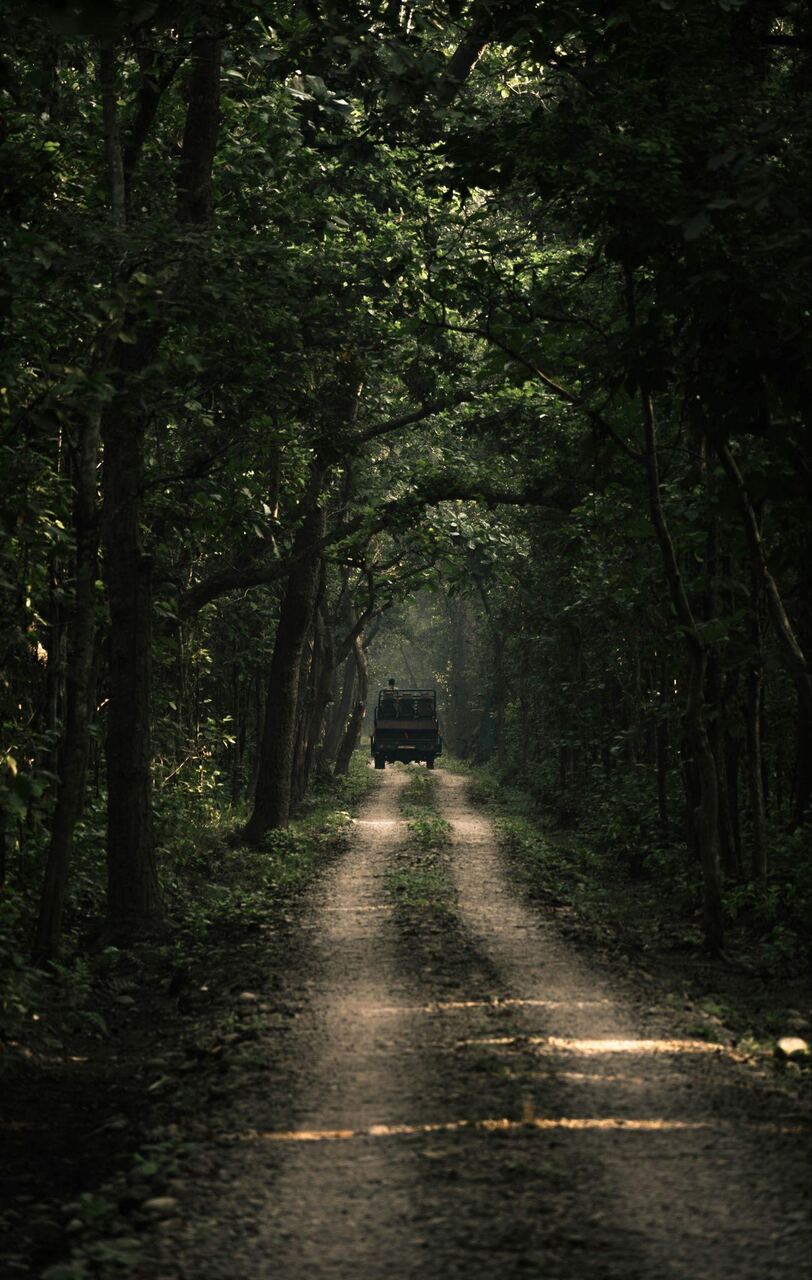
“Explore Nepal's western lowland wilderness through jungle safaris, nature walks, river experiences, and birdwatching, with opportunities to encounter Royal Bengal tigers, one-horned rhinoceros, wild elephants, swamp deer, and other wildlife.”
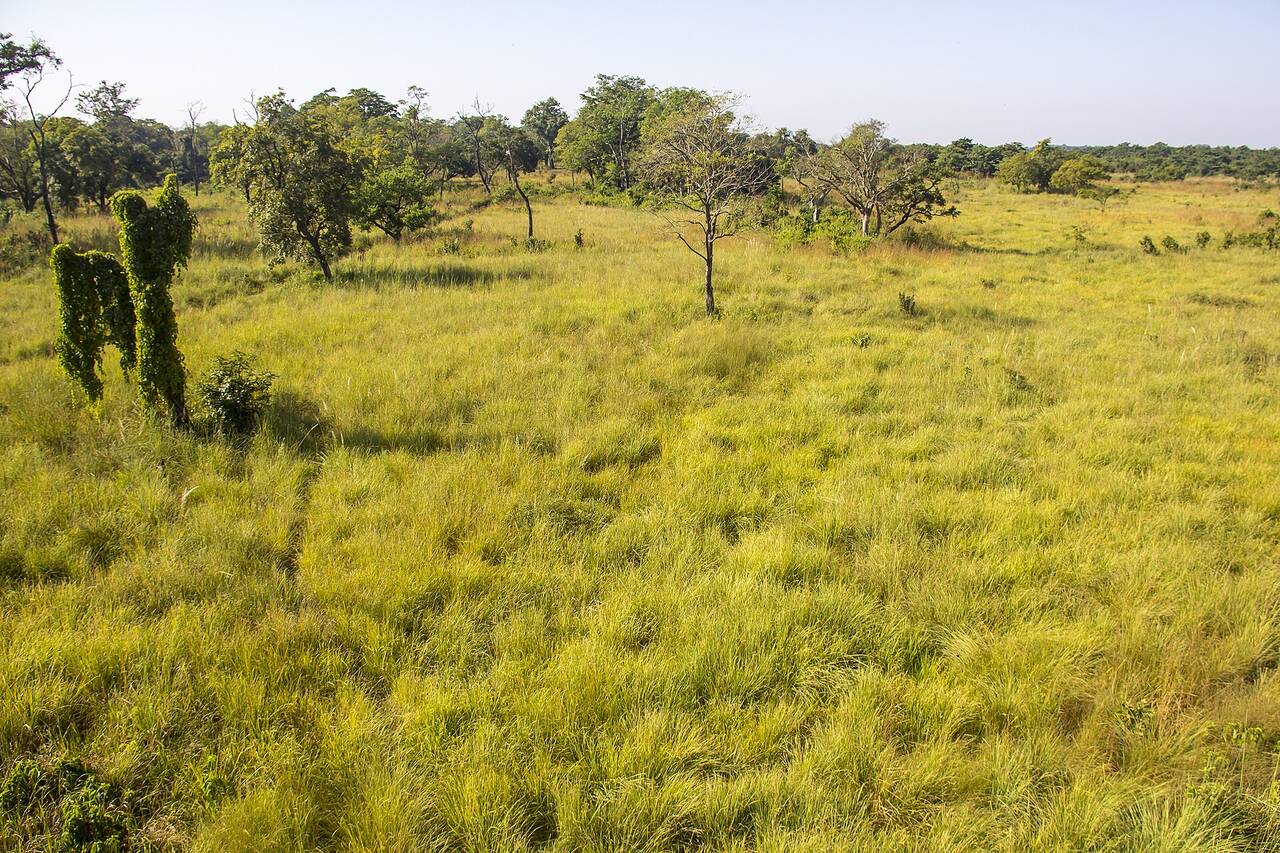
Sal Forests & GrasslandsExplore a mix of forest, grassland, wetlands, and riverine habitats that support Bardiya's diverse wildlife.
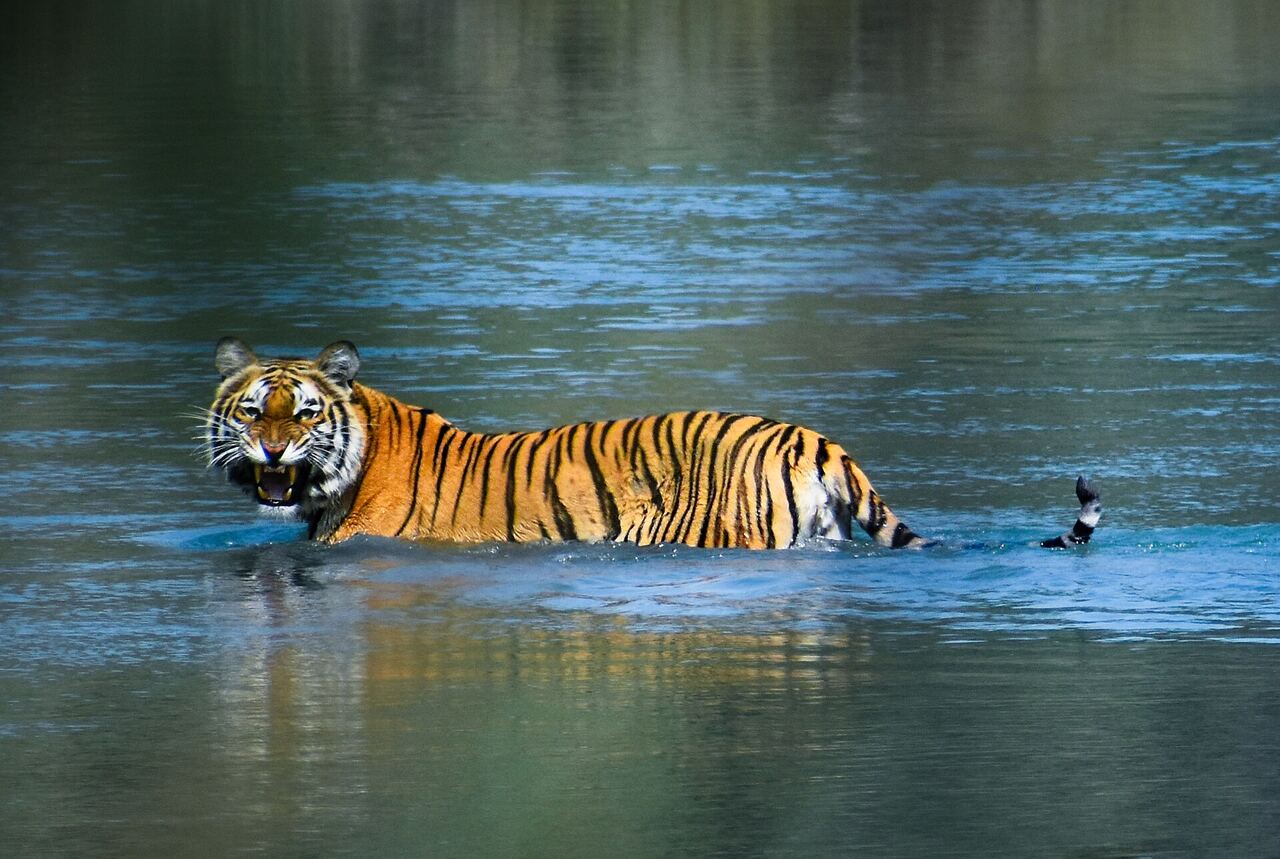
Royal Bengal TigerBardiya provides protected habitat for the Royal Bengal tiger. Sightings are possible but naturally unpredictable.
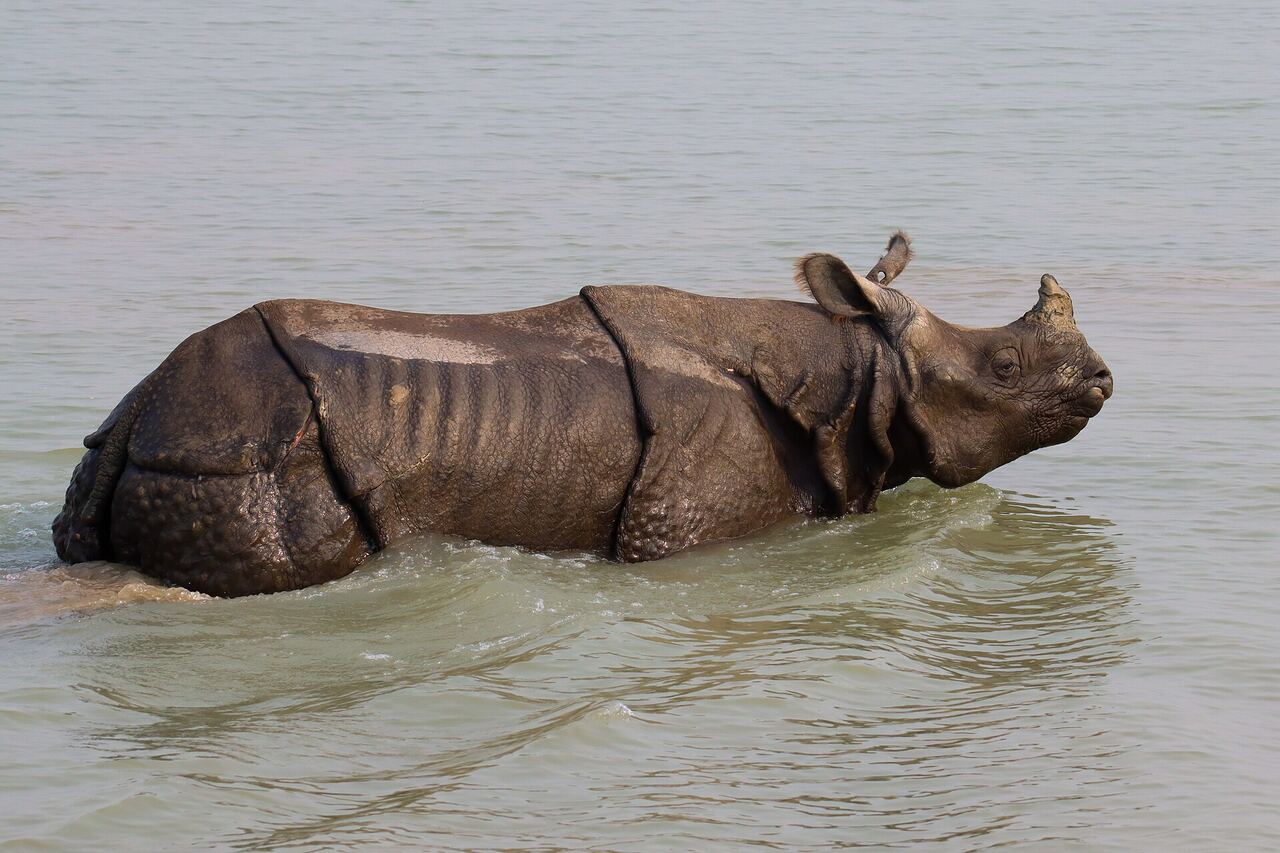
One-Horned RhinocerosLook for one-horned rhinoceros in the park's forests and grasslands.
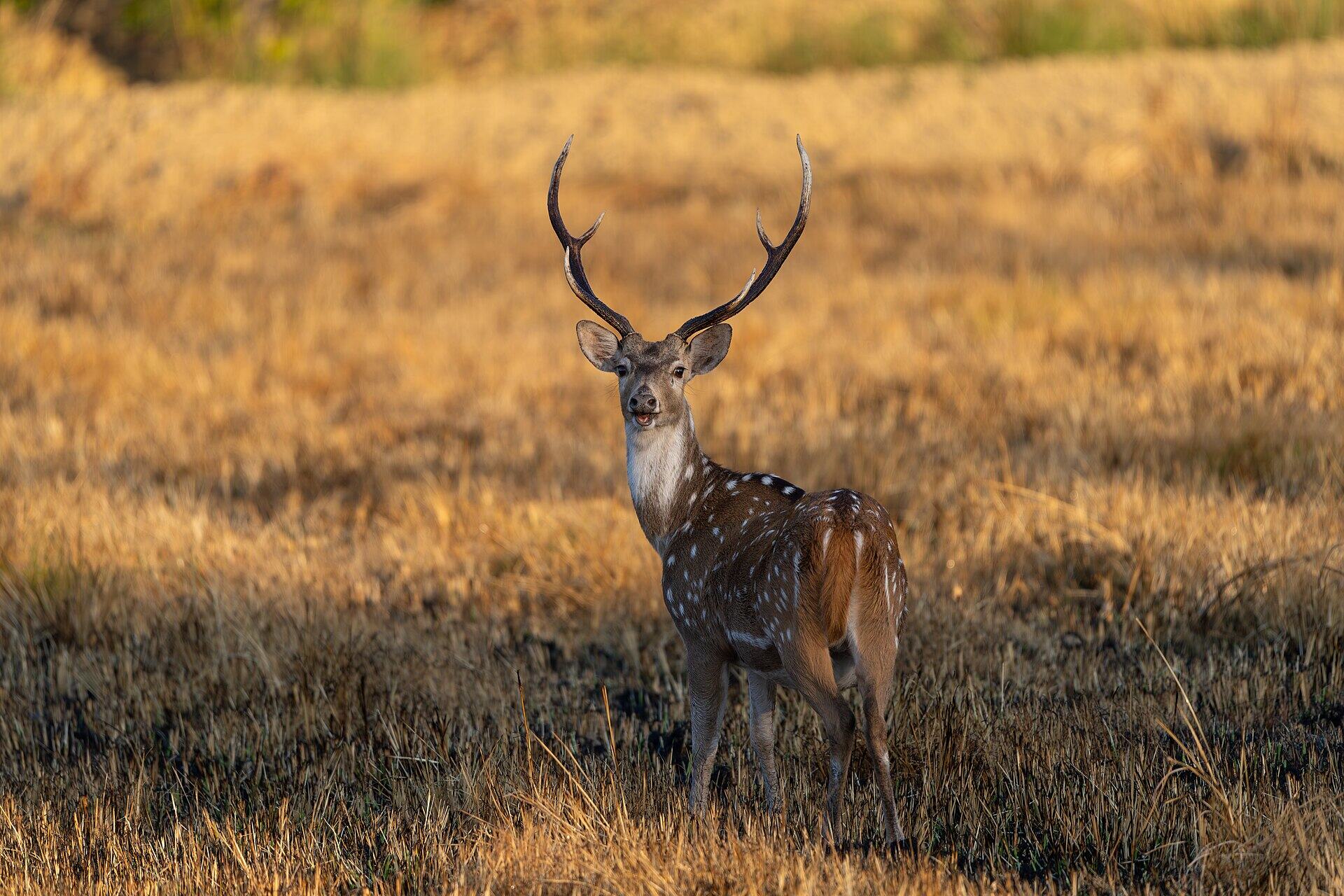
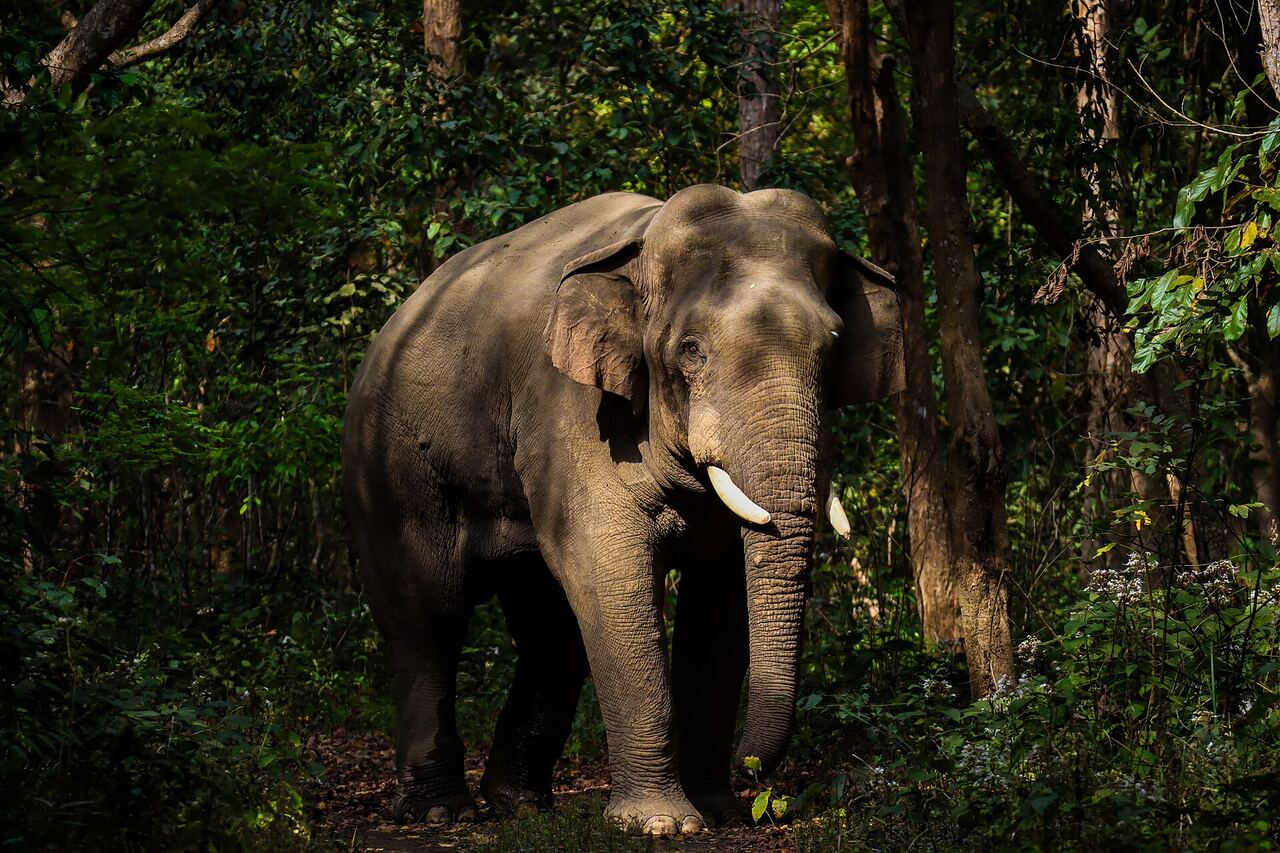
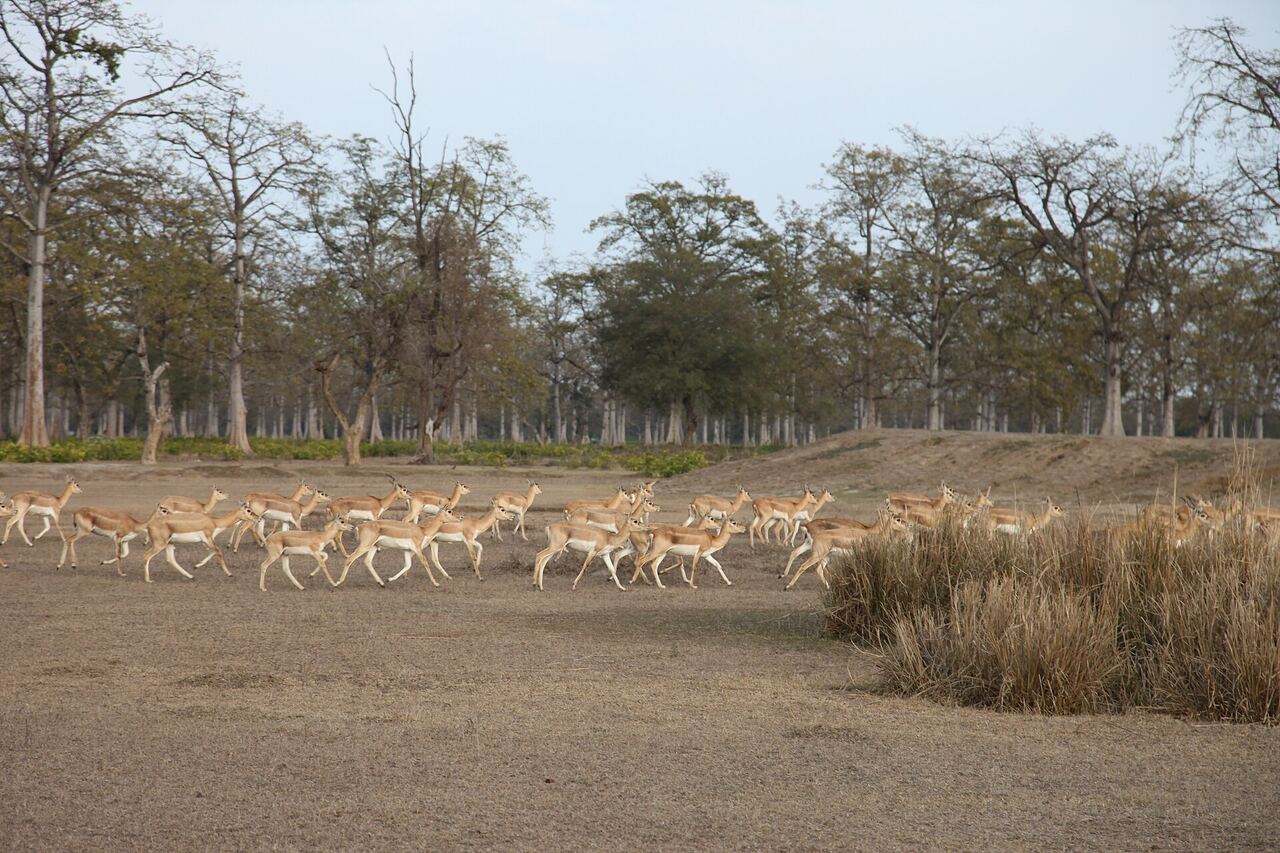
Wild Elephants & Swamp DeerBardiya supports wild elephants and swamp deer alongside deer, monkeys, and other mammals.
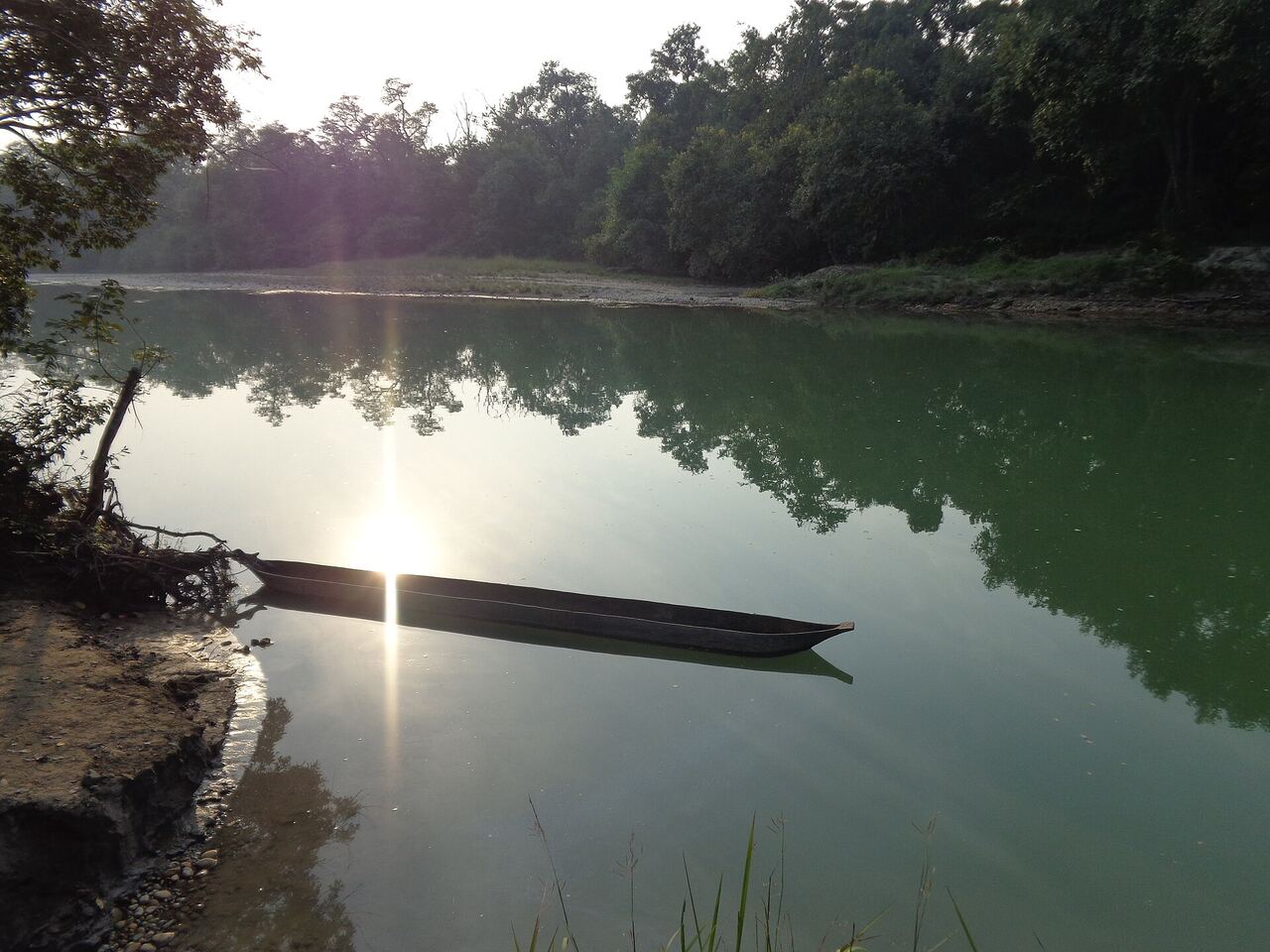
Rivers & WetlandsThe Karnali and Babai river systems create important habitats for gharials, marsh muggers, birds, and other aquatic wildlife.
BirdlifeThe park supports a wide variety of resident and migratory birds, with opportunities for birdwatching across forests, grasslands, wetlands, and river areas.
Tharu CultureExperience aspects of the cultural landscape around Bardiya through local communities, traditional practices, food, music, and dance.
Gallery
Memories made during adventure