Chitwan National Park
Chitwan, Terai
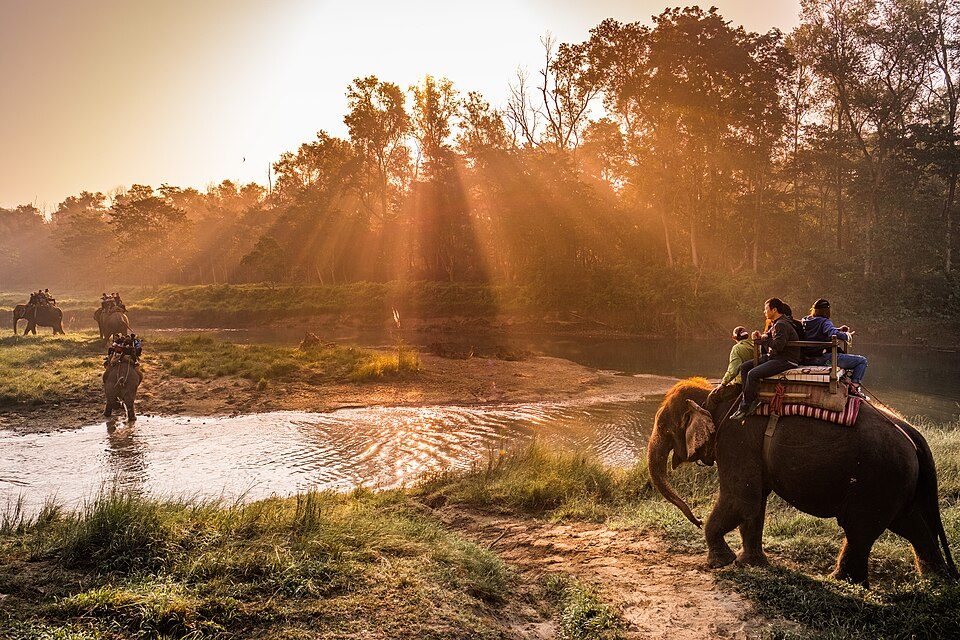
Explore Nepal's lowland wilderness through jungle safaris, canoe rides, nature walks, and birdwatching, with opportunities to encounter one-horned rhinoceros, crocodiles, and a wide variety of birds and other wildlife.
Overview
A quick look at what awaits on the tour.
Chitwan National Park offers a lowland wildlife experience across forests, grasslands, wetlands, and the floodplains of the Narayani, Rapti, and Riu rivers.
The three-day experience combines different ways of exploring the park and its surroundings. The first day introduces Chitwan through Sauraha and a Tharu cultural experience. The second day focuses on wildlife through a jungle safari and nature walk, while the final day explores the river and wetland environment before returning to Kathmandu.
The experience is not limited to wildlife viewing. The surrounding communities, particularly the Tharu people, form an important part of the cultural landscape of Chitwan. Sauraha also provides a convenient base for accessing the park and experiencing the surrounding visitor areas.
Together, the three days offer an introduction to Chitwan's wildlife, landscapes, river systems, and local culture.
When Should I go?
Month-by-month conditions to help you plan your trip.
Monthly Window
Conditions vary through the year with the seasons.
Note: Peak Season to visit Chitwan National Park is October–March
October
OptimalOctober is one of the best times to go. Conditions are shaped by clear & pleasant, bringing drier, more comfortable days. Skies are typically stable and visibility is good, and visitor numbers tend to be high.
Select the current month to see today’s live forecast.
What to Expect
Understand rhythms before you go

“Explore Nepal's lowland wilderness through jungle safaris, canoe rides, nature walks, and birdwatching, with opportunities to encounter one-horned rhinoceros, crocodiles, and a wide variety of birds and other wildlife.”
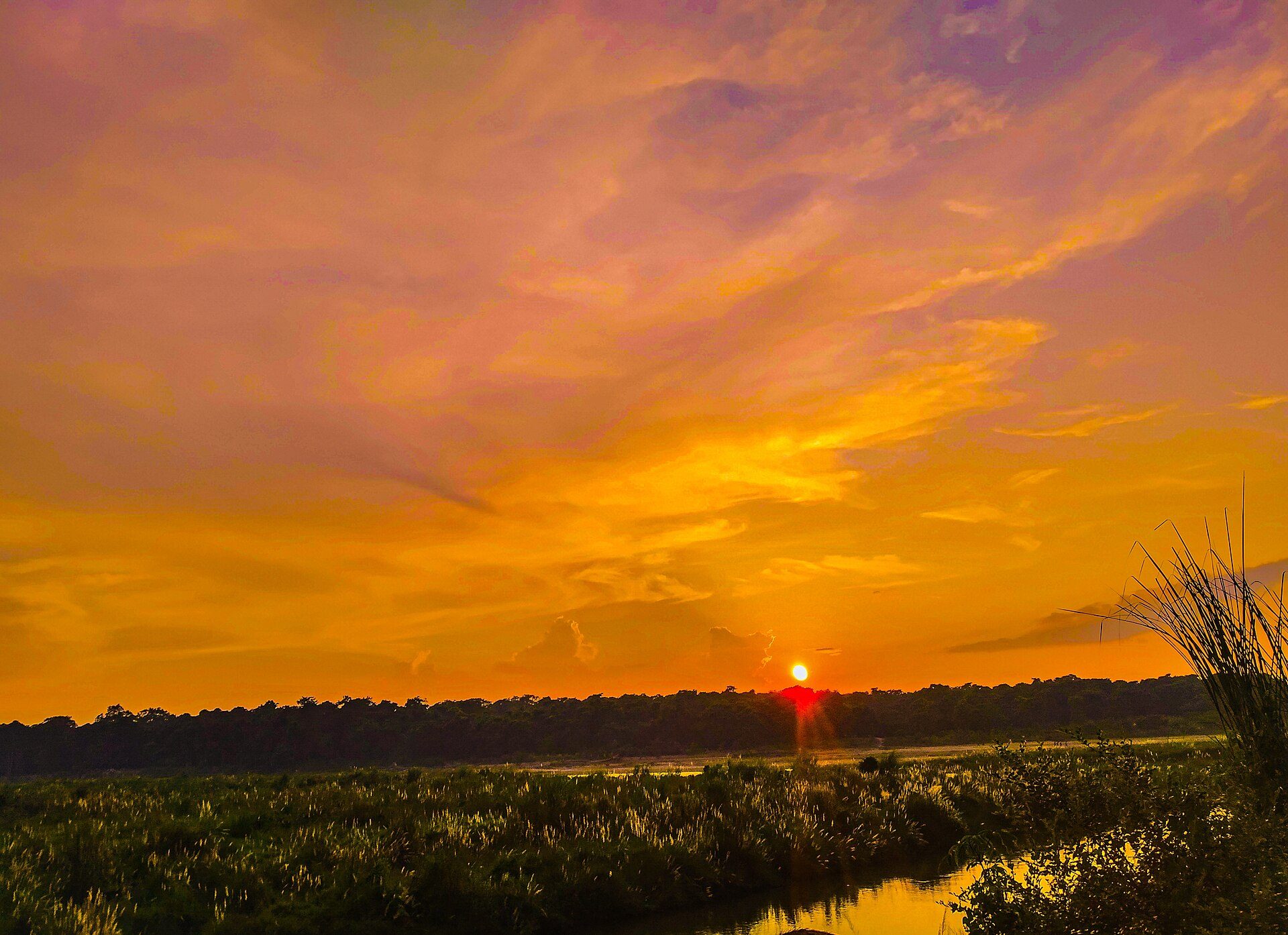
Tropical Forests & GrasslandsChitwan's landscape combines Sal forests, tall grasslands, wetlands, oxbow lakes, and river floodplains. These different habitats support a diverse range of wildlife.
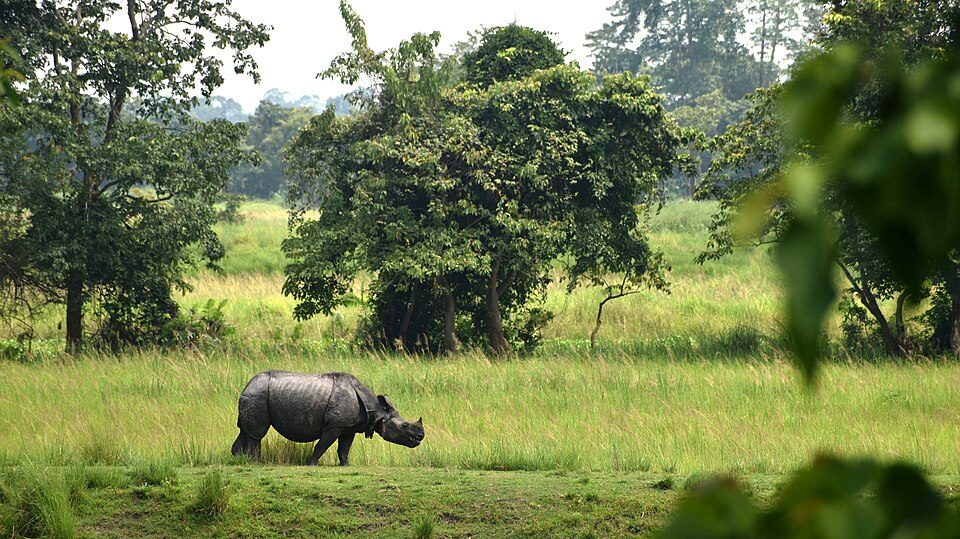
One-Horned RhinocerosThe greater one-horned rhinoceros is one of Chitwan's most recognizable species. The park provides protected habitat for this vulnerable species. Wildlife sightings are never guaranteed.
Rivers & WetlandsThe Narayani, Rapti, and Reu rivers shape the park's landscape. Wetlands and oxbow lakes provide habitat for crocodiles, gharials, water birds, and other wildlife.
Royal Bengal TigerChitwan provides protected habitat for the Royal Bengal tiger. Tigers are elusive, and sightings are unpredictable, so a safari should be approached as a wildlife-viewing experience rather than a guaranteed tiger encounter.
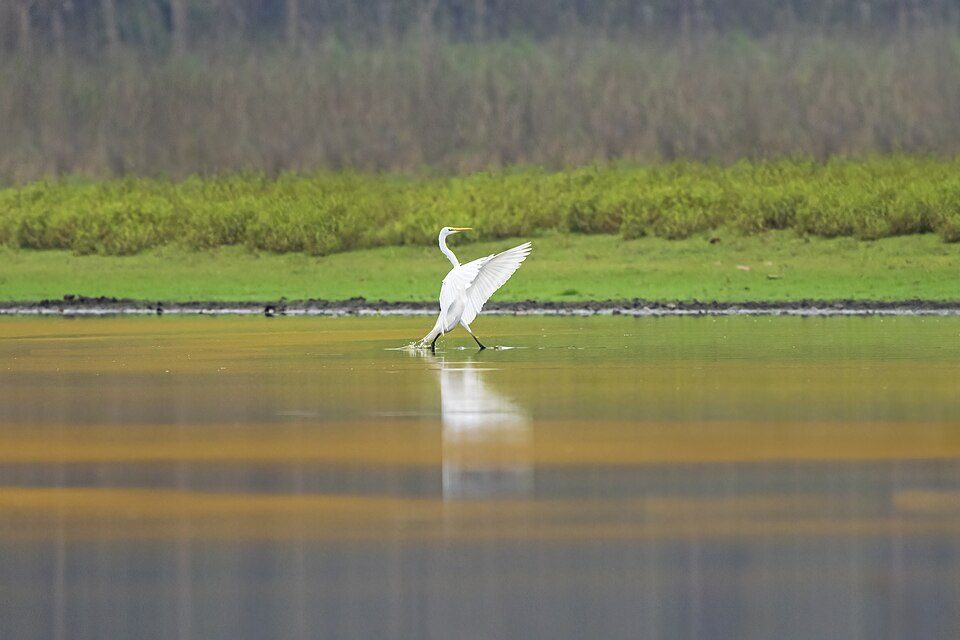
BirdlifeChitwan supports 525 recorded bird species, including resident and migratory species that vary through the year. Winter brings waterfowl and migratory birds, while summer brings species such as paradise flycatchers, Indian pittas, and parakeets.
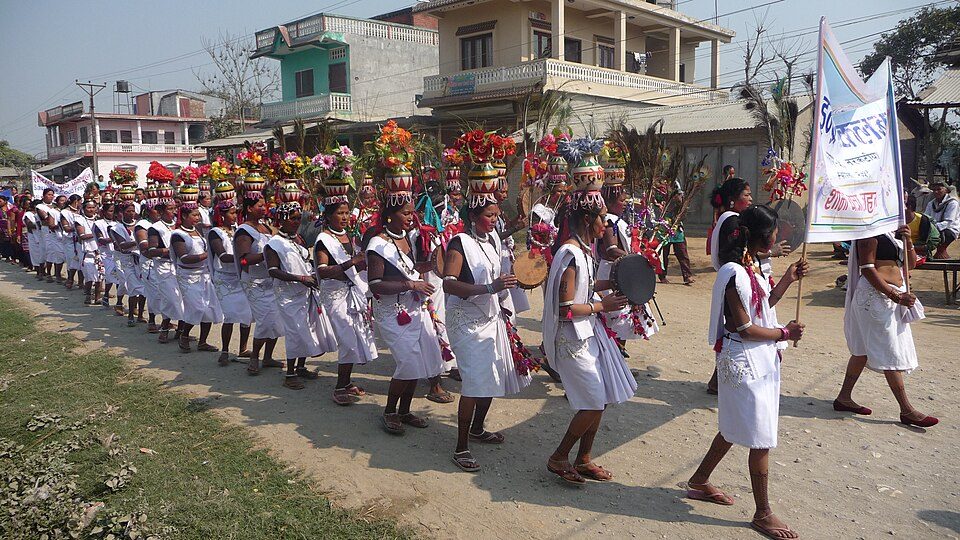
Tharu CultureThe communities surrounding the park provide an opportunity to experience Tharu culture and everyday life. Cultural activities can include traditional music, dance, food, and village experiences.
Gallery
Memories made during adventure