Trail Nepal
Duration
7-10 Days
Difficulty
Moderate to Challenging
Elevation
4,130m
Best Season
March-May
Starting Point
Pokhara / Jhinu Trailhead

Trek Overview

Everything you need to know about the journey

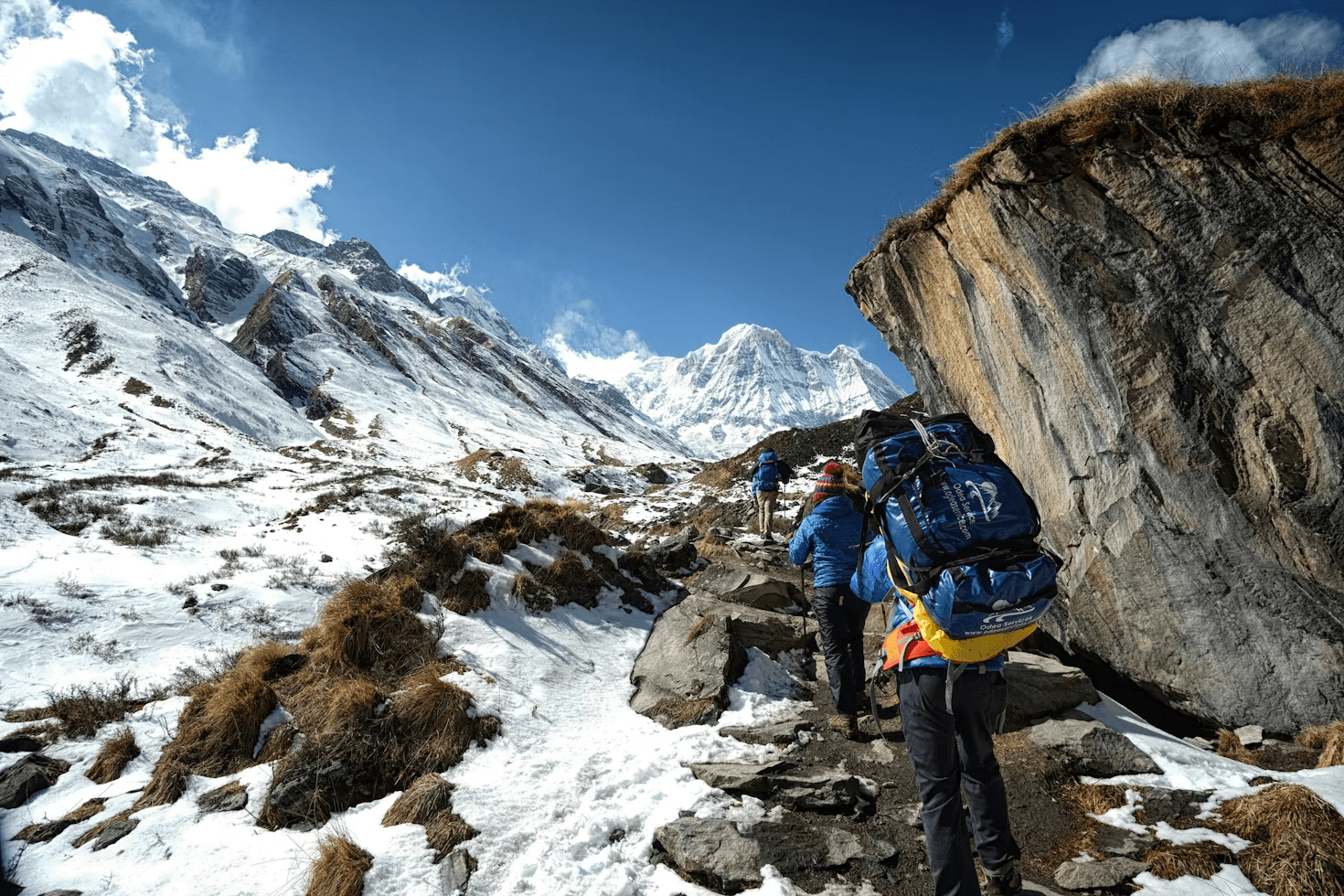
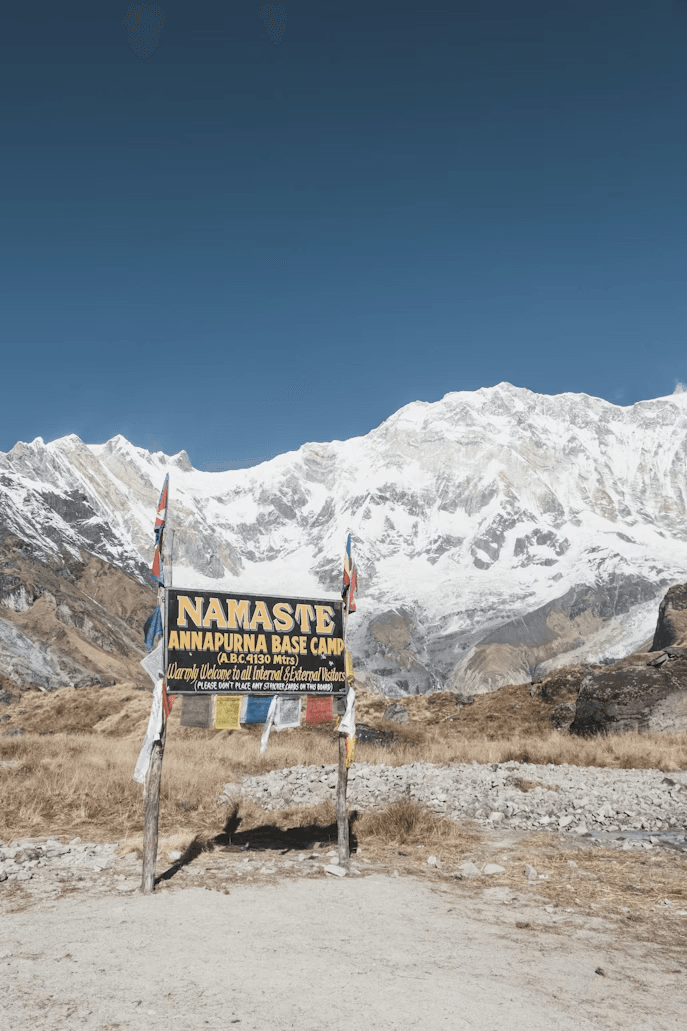
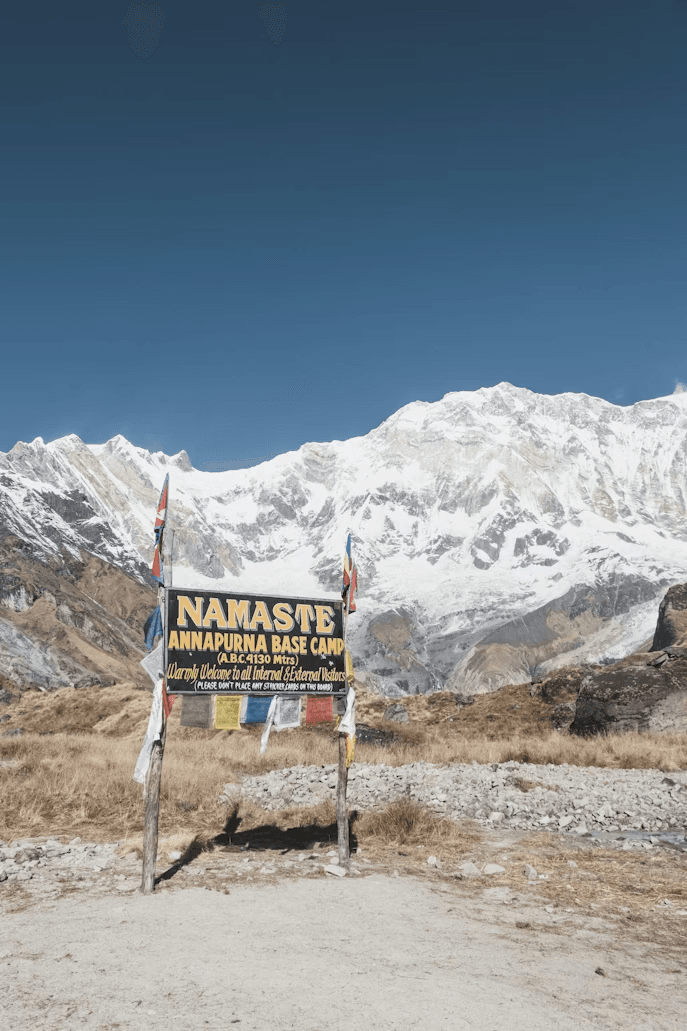
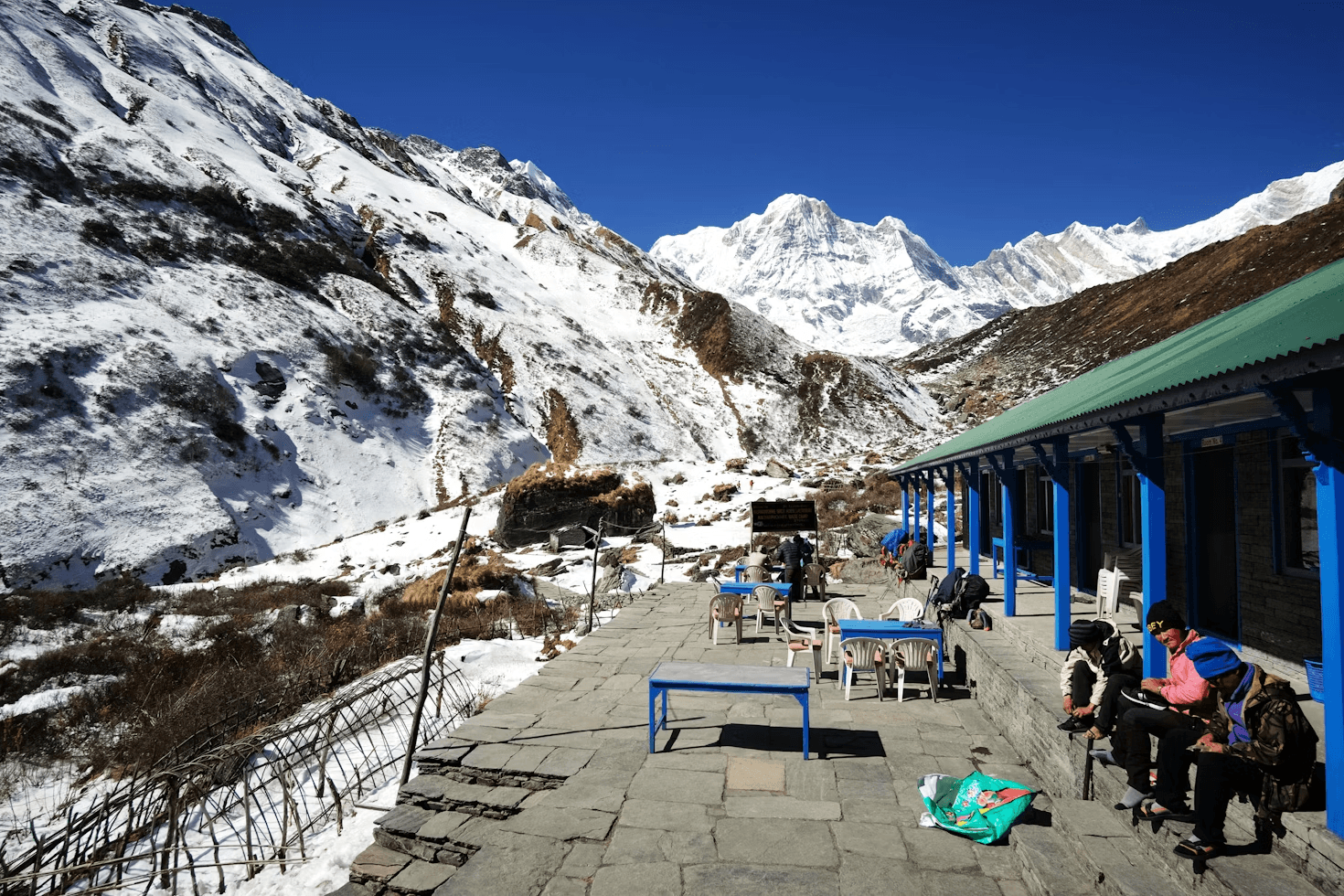
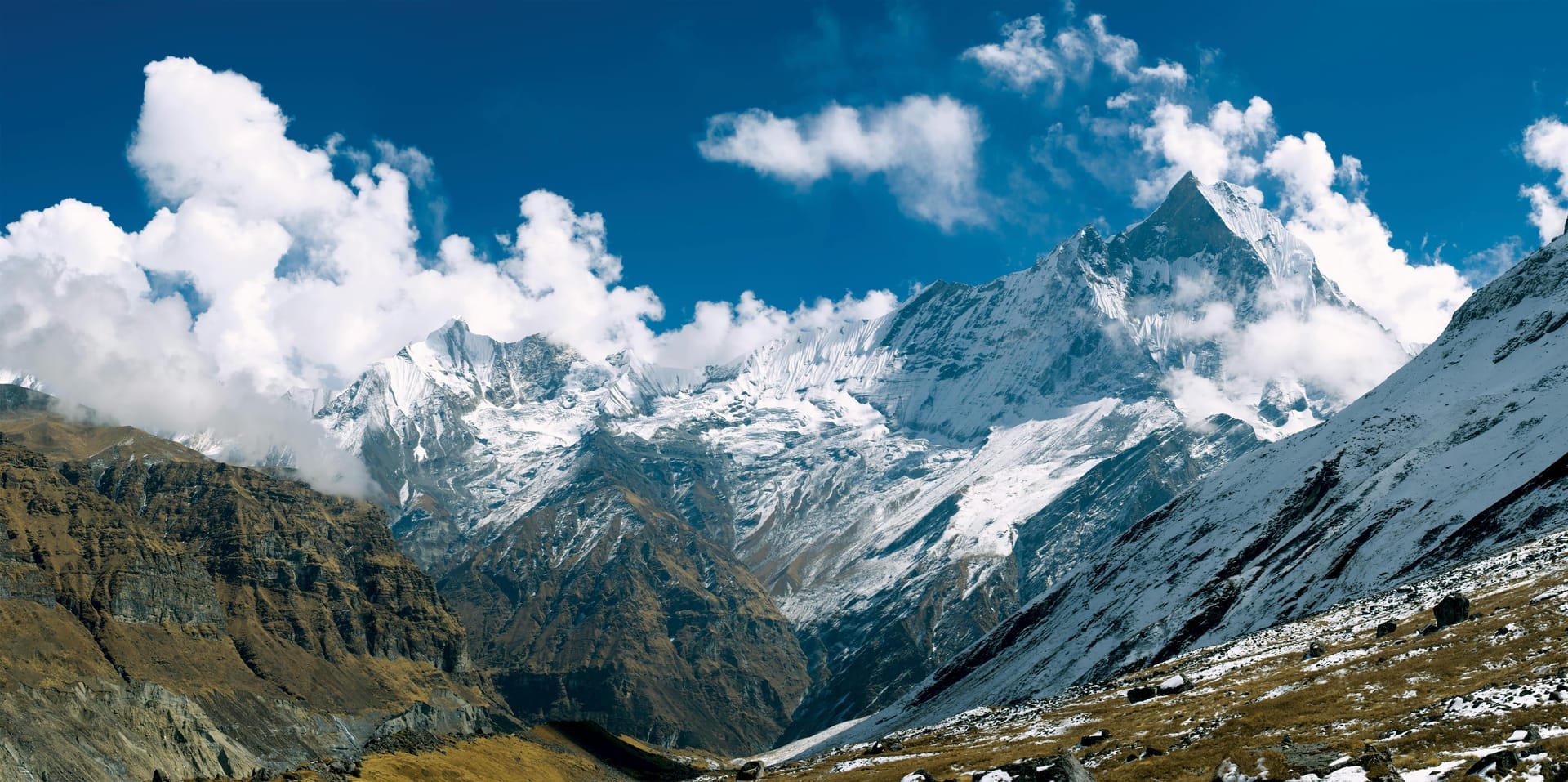
This route represents the direct, dramatic ascent into the Annapurna Sanctuary, bypassing the lower foothill loops to take you straight into the heart of the Himalayas. Starting from the suspension bridges of Jhinu Danda, the trail climbs the steep stone staircases of Chhomrong before plunging into the V-shaped Modi Khola gorge. Over four days of upward trekking, you will transition from lush, subtropical bamboo and rhododendron forests into a harsh, icy alpine environment. The climax of the upward journey brings you past the towering sheer face of Machhapuchhre (Fishtail) and through the sanctuary gates, ending at Annapurna Base Camp (4,130m) where you are completely surrounded by a 360-degree wall of 7,000m and 8,000m peaks.

When Should I go?

Climbing windows for Trek regions.

PEAK
DANGER
CAUTION
JAN
Deep Winter
FEB
Late Winter
MAR
Excellent
APR
Peak Season
MAY
Very Warm
JUN
Monsoon Starts
JUL
Peak Monsoon
AUG
Heavy Rain
SEP
Late-Monsoon
OCT
Perfect
NOV
Excellent
DEC
Start of Winter

What to Expect

Understand rhythms before you go
Annapurna Base Camp (Direct Ascent) expectations

This route represents the direct, dramatic ascent into the Annapurna Sanctuary, bypassing the l...”

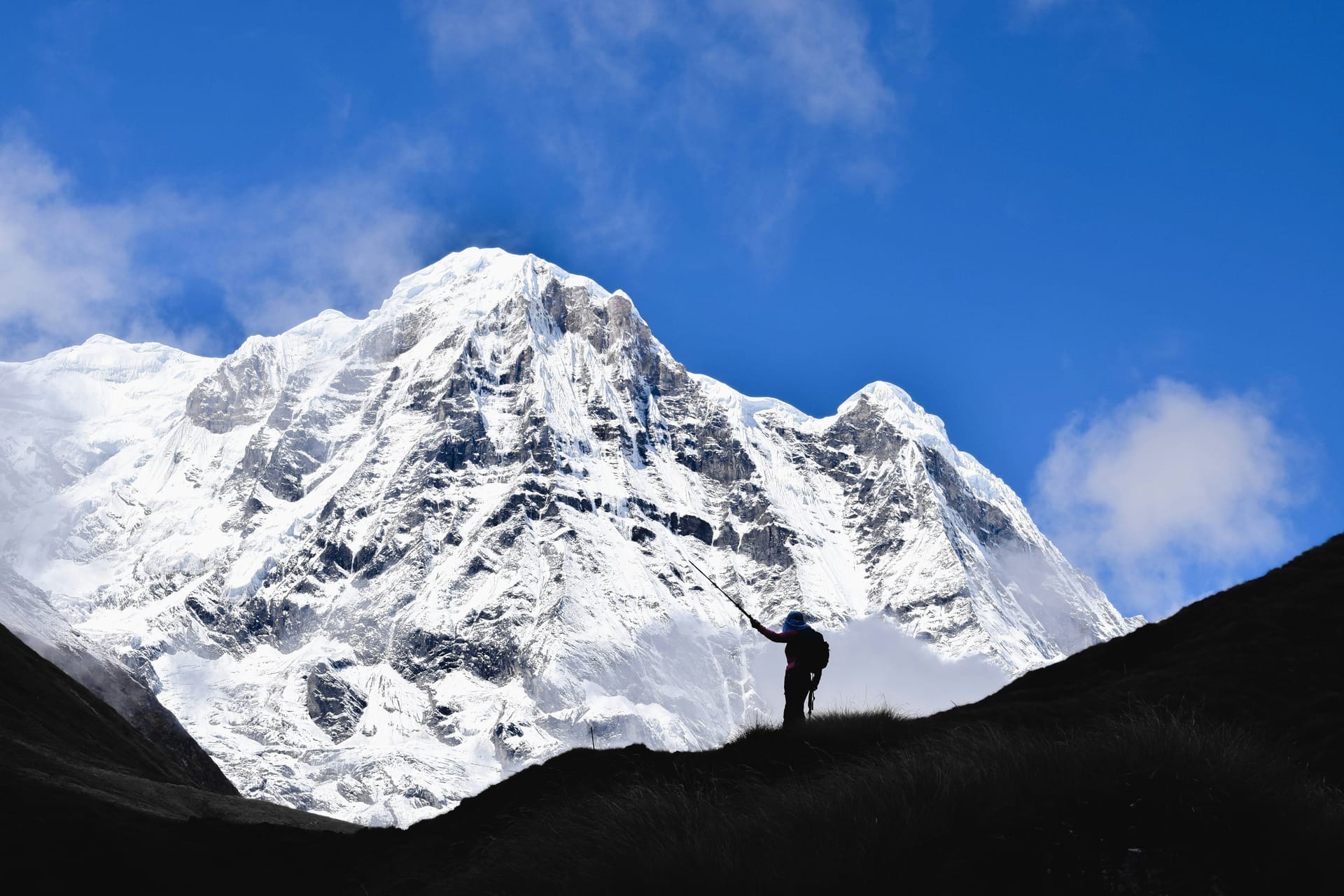
The Annapurna SanctuaryStep into a natural glacial amphitheater surrounded by 7,000m to 8,000m peaks, offering one of the most awe-inspiring 360-degree mountain panoramas on earth.

The Modi Khola GorgeExperience the dramatic shift in landscape as you trek up a single, deep river gorge that transforms from humid bamboo forests into an icy alpine basin.

Rich Gurung HeritageWalk through pristine stone-paved villages like Chhomrong, experiencing the legendary hospitality and culture of the local Gurung communities.

Intense Vertical GainsBe prepared for the famous 'Nepali flat'—thousands of steep stone staircases that test your leg endurance on the way up to the sanctuary.

Altitude & Safety

Comprehensive health guidance and immediate response tools for the high altitude trekker.

What it is?

Acute Mountain Sickness (AMS), often called High Altitude Sickness, occurs when your body doesn't have enough time to adjust to lower oxygen levels at higher elevations. It is a natural physiological response, but one that demands immediate attention and respect. Think of it as your body's signal to slow down and breathe.

Symptoms

HeadacheHeadache
Rapid heartbeatRapid heartbeat
BreathlessBreathless
DizzinessDizziness
InsomniaInsomnia
FatigueFatigue
No appetiteNo appetite
NauseaNausea

Severity Levels

mild

Rest at current altitude. Do not ascend further until symptoms clear.

moderate

Immediate descent required (300-500m). Use oxygen if available.

severe

Life-threatening. Immediate emergency evacuation via helicopter.

Prevention Tips

  • Ascend slowly (no more than 300-500m per day above 3,000m)
  • Stay hydrated (3-4 liters per day)
  • Avoid alcohol and sleeping pills
  • Eat light, high-carb meals
  • Listen to your body and rest when needed

What it is?

High-altitude pulmonary edema (HAPE) is a dangerous build-up of fluid in the lungs caused by altitude-related low oxygen, not by heart failure. It usually appears 24-96 hours after a rapid ascent, often above about 2,400 m, and it can occur with or without AMS. Early diagnosis matters because HAPE can progress quickly and may be more rapidly fatal than HACE.

Symptoms

Chest congestionChest congestion
Rapid heartbeatRapid heartbeat
BreathlessBreathless
Dry CoughDry Cough
Blue LipsBlue Lips
Energy lessEnergy less
Rapid breathingRapid breathing
Breathless at restBreathless at rest

Severity Levels

Possible HAPE

Cough, chest tightness, unusual breathlessness on exertion, or a sudden drop in walking performance after ascent.

Probable HAPE

Breathlessness with mild activity, marked fatigue, rapid breathing, crackles/rales, or clearly reduced oxygen saturation compared with others at the same altitude.

Severe HAPE

Breathlessness at rest, respiratory distress, cyanosis, or pink/bloody sputum.

Prevention Tips

  • Ascend gradually.
  • Once above 3,000 m, increase sleeping altitude by no more than about 500 m per night.
  • Add an extra acclimatization night for every 1,000 m of sleeping-altitude gain.
  • Avoid overexertion during the first 48 hours at altitude.
  • Known HAPE-prone trekkers may need preventive medication from a clinician familiar with altitude medicine.

What it is?

High-altitude cerebral edema (HACE) is a severe altitude illness in which the brain swells. It is generally considered the end-stage of AMS and is defined by neurologic symptoms, especially altered mental status and ataxia. It is rare, especially below about 4,300 m, but once it starts it can deteriorate rapidly to coma within hours if untreated.

Symptoms

Severe HeadacheSevere Headache
DrowsinessDrowsiness
ConfusionConfusion
Loss of coordinationLoss of coordination
Unsteady walkingUnsteady walking
Altered behaviorAltered behavior
StuporStupor
Coma in late diseaseComa in late disease

Severity Levels

Possible HACE

A trekker at altitude develops a severe headache plus confusion, unusual behavior, or clumsy walking. Action: Treat as HACE until proven otherwise. No further ascent. Start descent urgently.

Probable HACE

Clear ataxia, altered mental status, marked drowsiness, or difficulty walking normally. Action: Immediate descent, oxygen if available, and dexamethasone if trained and equipped to use it.

Severe HACE

Stupor, inability to walk, or coma. Action: This is a life-threatening emergency. Immediate evacuation is required. If descent is not feasible right away, oxygen and a portable hyperbaric device can be lifesaving.

Prevention Tips

  • Ascend gradually and avoid going too high too fast.
  • Once above 3,000 m, limit sleeping-altitude gain to about 500 m per night.
  • Add an acclimatization day for every 1,000 m of sleeping-altitude gain.
  • Do not ascend with worsening AMS symptoms.
  • Dexamethasone is used mainly for treatment or emergency backup, while acetazolamide is preferred for prevention of AMS during ascent.
4,130mHigh risk above 4000m

Maximum altitude: Annapurna Base Camp

High risk of altitude sickness beyond 4,000m.
Proper acclimatization is non-negotiable.

Reach Out To

Specialist Hospitals

CIWEC Hospital01-4424111 (0),01-4435232,01-4413163
Star Hospital01-5550197/8,01-5540478

Helicopter Rescue

Heli Everest Serviceinfo@heli.everest
01-4112299, 9851111187Dabur Building (4th floor)
Mountain Helicoptermountainheli@wlink.com.np
01-4111031, 9851037407
Altitude Airaltitude@altitudeheli.com
01-4116665
Simrik Airinfo@simrikair.com.np
01-4155341, 9851010696
Fishtail Air Pvt Ltd
01-4112206(17, 30), 01-4112463(64, 65, 66, 67), 9751000120, 9851026185
Air Dynastyinfo@airdynasty.com
01-4497418, 01-4468802, 9851023104Sinamangal
Shree Airlines Pvt. Ltdshreeair@shreeair.com
01-4222948Tripureshwor
Helicopter Rescue Service
01-4418824, 9851035514Naxal
Sumeru Hospitalsumeruhospital@sumerugroup.org.np
01-5003377, 01-5003388, 01-5003399, 9802003377, 9802003388Dhapakhel
Alka Hospitalinfo@alkahospital.com
01-5555555, 01-5544477, 01-5535147Jawalakhel
Norvic Hospitalinfo@norvichospital.com
01-4258554Thapathali
Vayodha Hospitalinfo@vayodha.wlink.com.np
01-2111333, 01-4281666, 01-4286428Balkhu

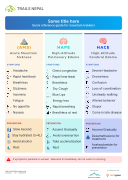
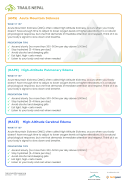
Carry this on your Trek

Download this offline altitude safety card before trek. Includes AMS, HAPE, and HACE symptoms and preventions.

Download Safety Card
Gear Checklist

Make sure you have everything you need

Progress0 / 32 Items

Weight: 0.0 kg

Essential

0 / 20 packed

Critical items required for safety, comfort, and completing your trek.

1.50kg
0.08kg
0.42kg
0.34kg
0.34kg
0.20kg
1
0.42kg
3
0.63kg
2
1.10kg
0.18kg
3
0.07kg
0.06kg
0.07kg
0.47kg
0.10kg
0.13kg
0.03kg
0.10kg
0.28kg
0.15kg
Panoramic view of the Annapurna Sanctuary
Machhapuchhre (Fishtail) peak towering over MBC
Trekking through a blooming rhododendron forest
The stone terraces of Chhomrong village