Trails Nepal

Trek Overview

A quick look at what awaits on the trail.

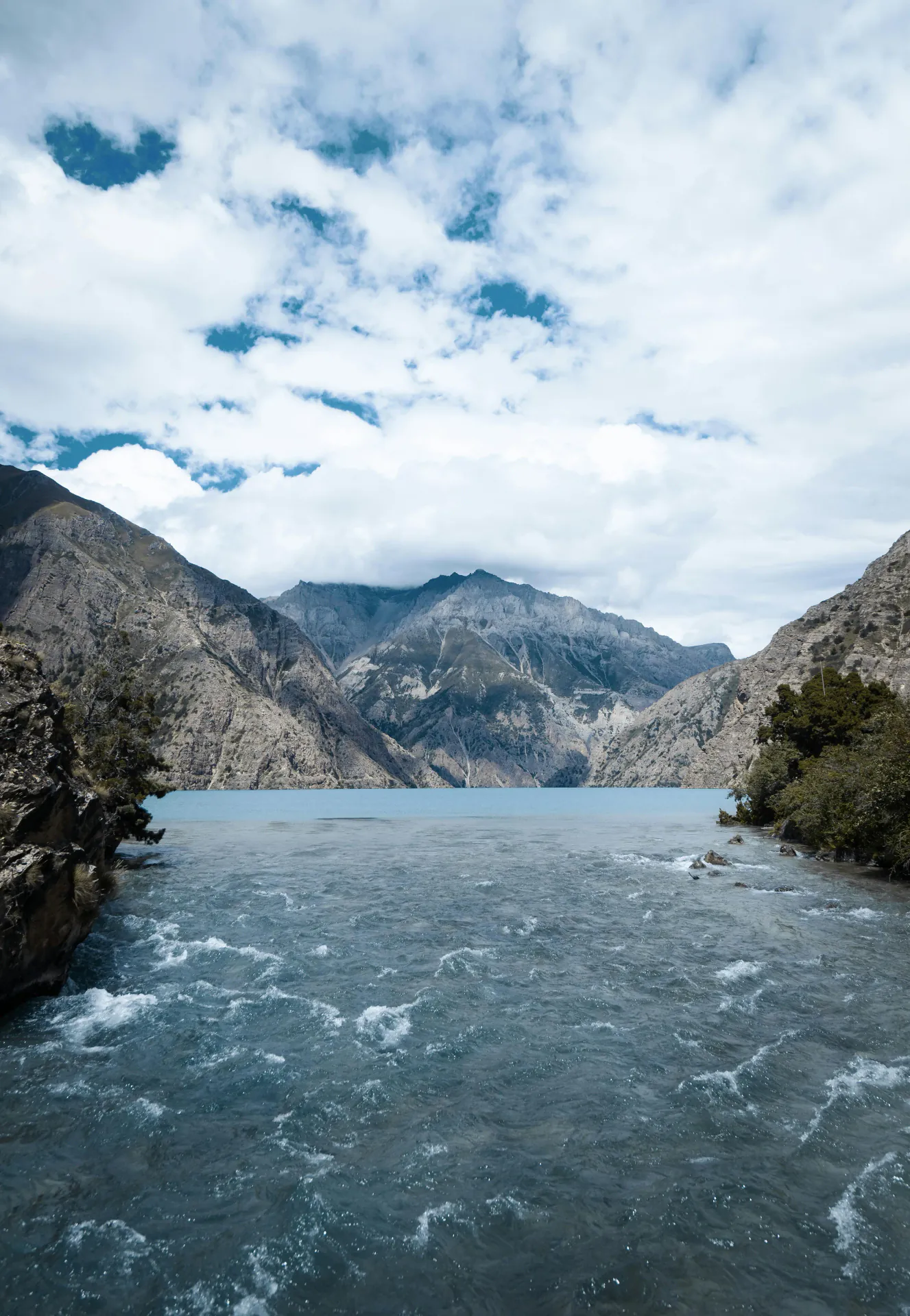
The Shey Phoksundo Trek leads into the remote wilderness of Lower Dolpo, beginning with a mountain flight from Nepalgunj to Juphal. From Juphal, the route descends toward the Thuli Bheri River before turning into the Suligad Valley and entering Shey-Phoksundo National Park. The trail follows the river through pine, cedar, and bamboo forests, crossing suspension bridges and passing through dramatic gorges and small mountain settlements as it climbs toward Chhepka and Jharana.

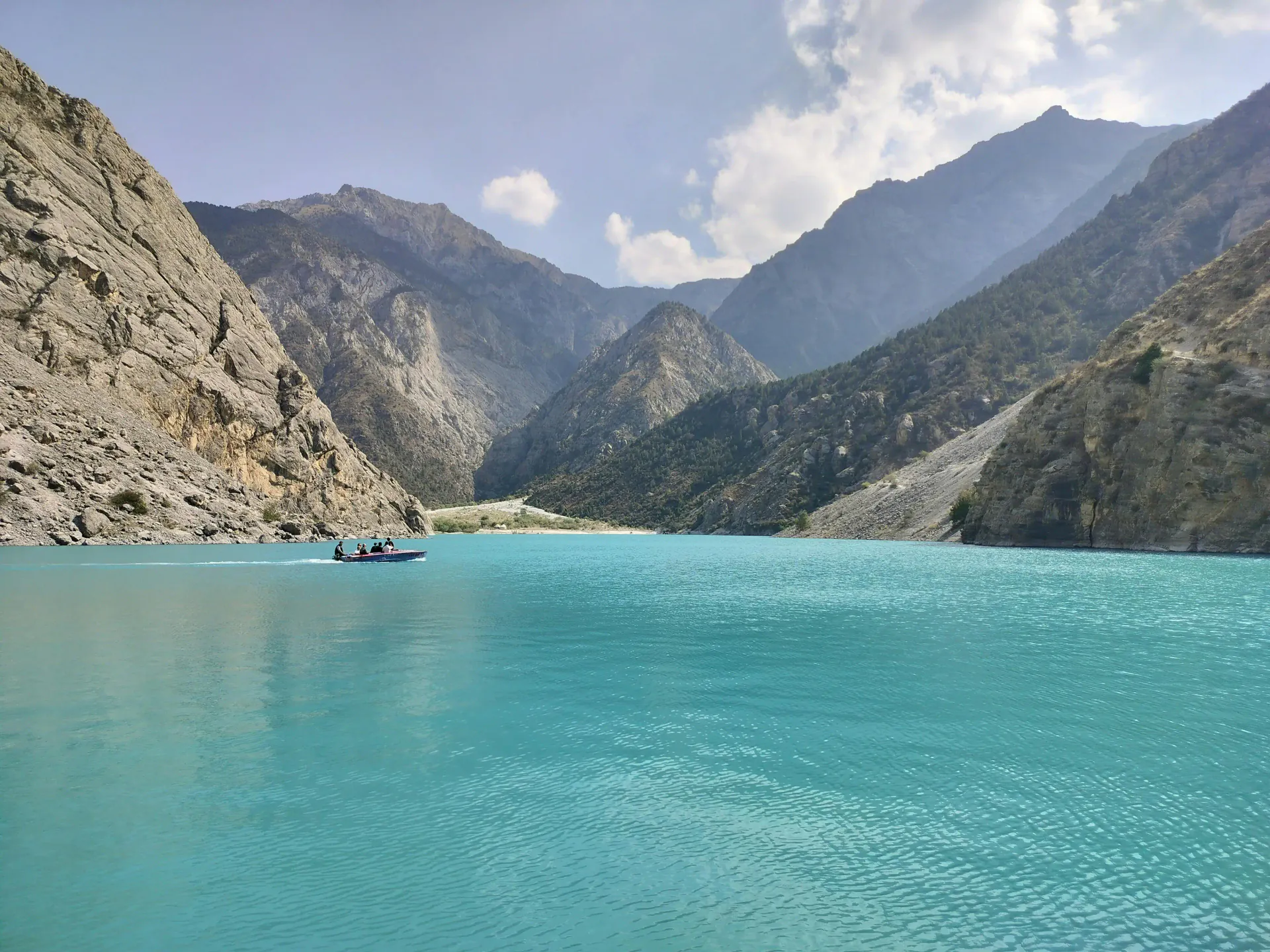
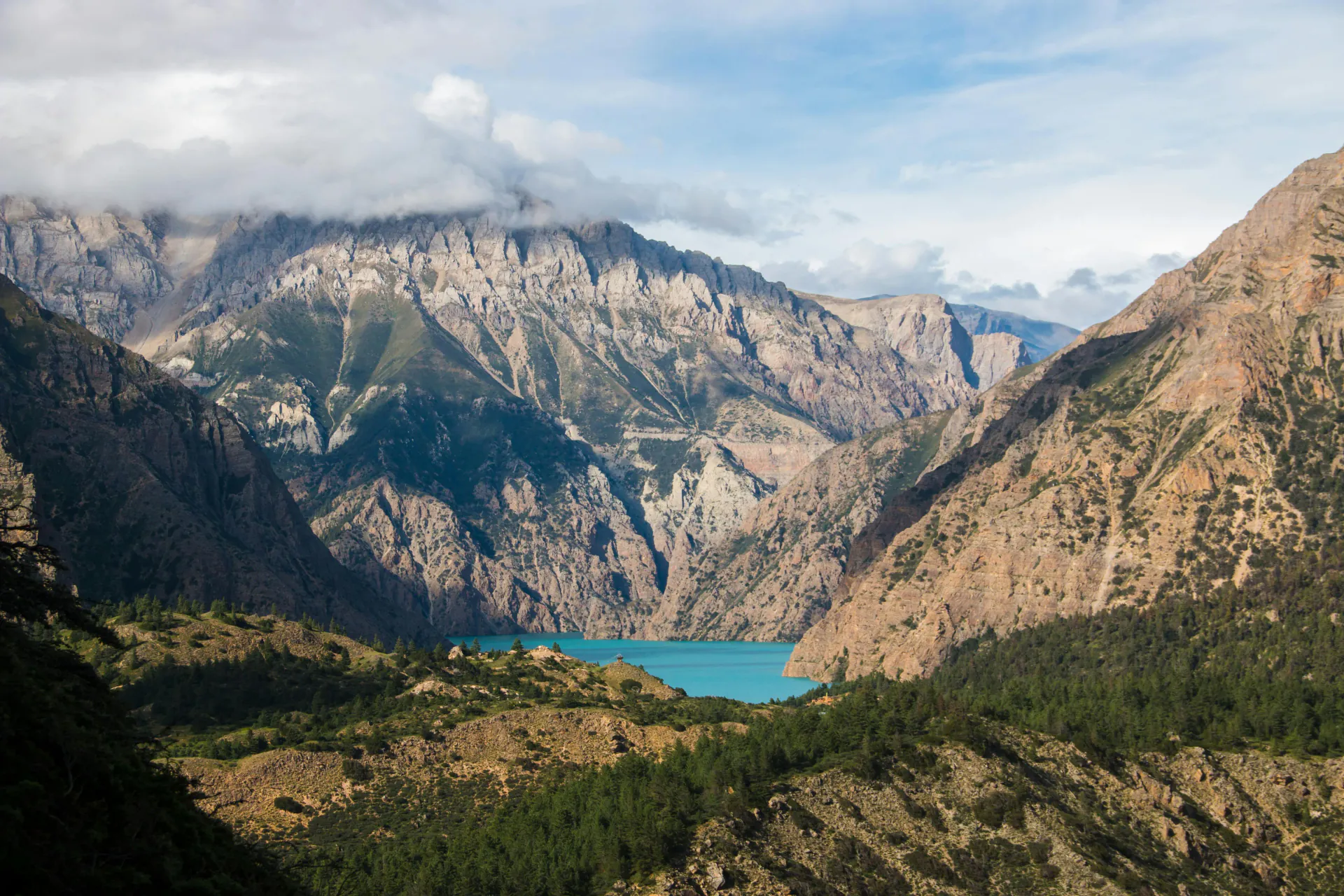
Beyond Jharana, the landscape becomes more rugged as the route enters the Phoksundo Valley. The trail reaches Ringmo, a traditional settlement beside Phoksundo Lake, where the deep-blue waters lie at approximately 3,611 m beneath steep cliffs and mountain slopes. A day around Ringmo allows time to explore the lake and experience the area's distinctive Bon cultural heritage, including Thashung Gompa, a historic monastery associated with the Bon tradition and said to be around 900 years old. After exploring the lake and surrounding village, the route retraces the valley through the forests and river gorges toward Juphal.

When Should I go?

Month-by-month conditions to help you plan your trip.

Monthly Window

Conditions vary through the year with the seasons.

Note: Peak Season to visit Shey Phoksundo Trek is March-May, September-November

October

Optimal

October is one of the best times to go. Conditions are shaped by crystal clear skies, bringing sharper lake views. Skies are typically stable and visibility is good, and visitor numbers tend to be high.

Select the current month to see today’s live forecast.

What to Expect

Understand rhythms before you go
Shey Phoksundo Trek expectations

“Journey into the remote Lower Dolpo region to the turquoise waters of Lake Phoksundo, ancient Bon monasteries, and dramatic alpine landscapes.”

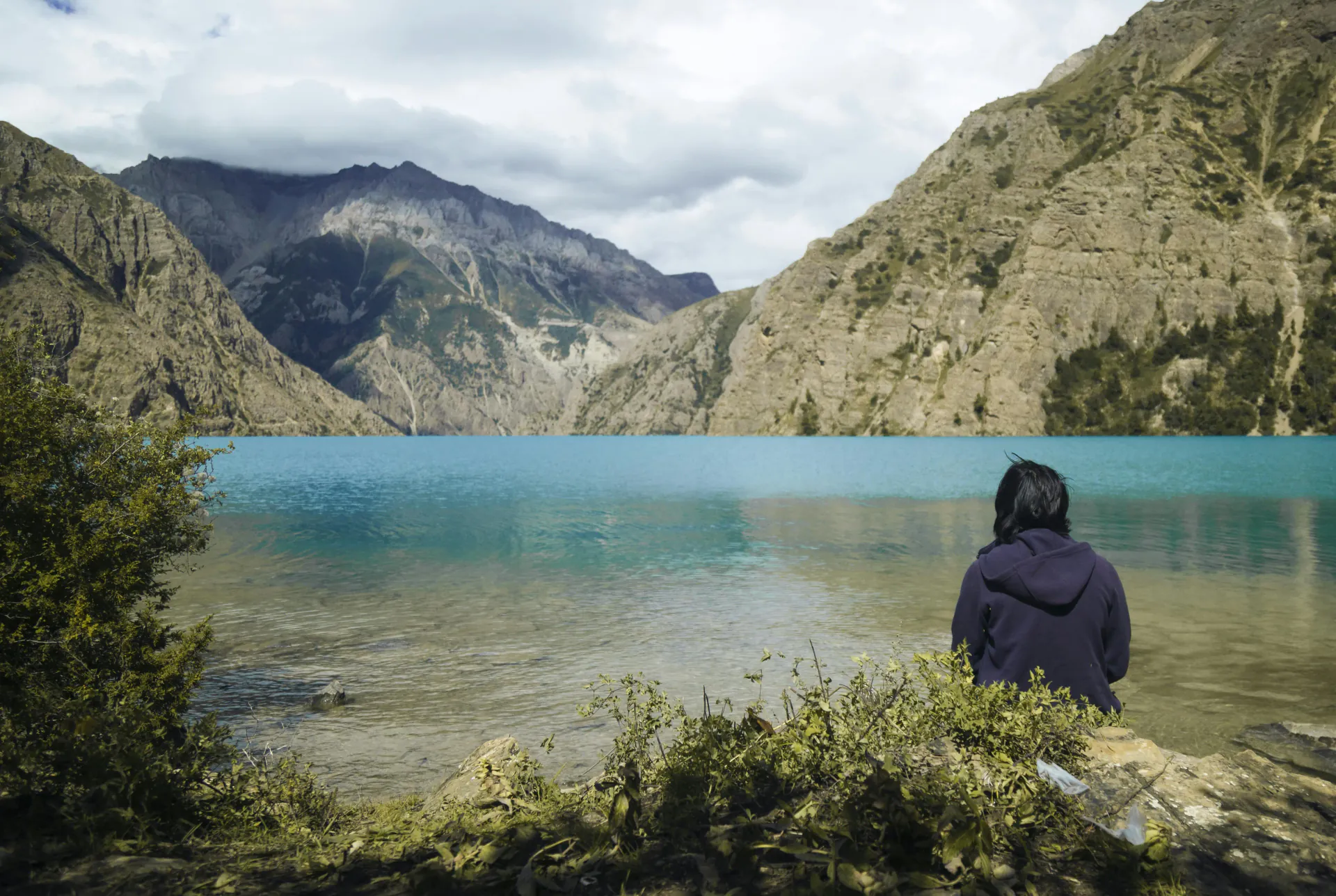
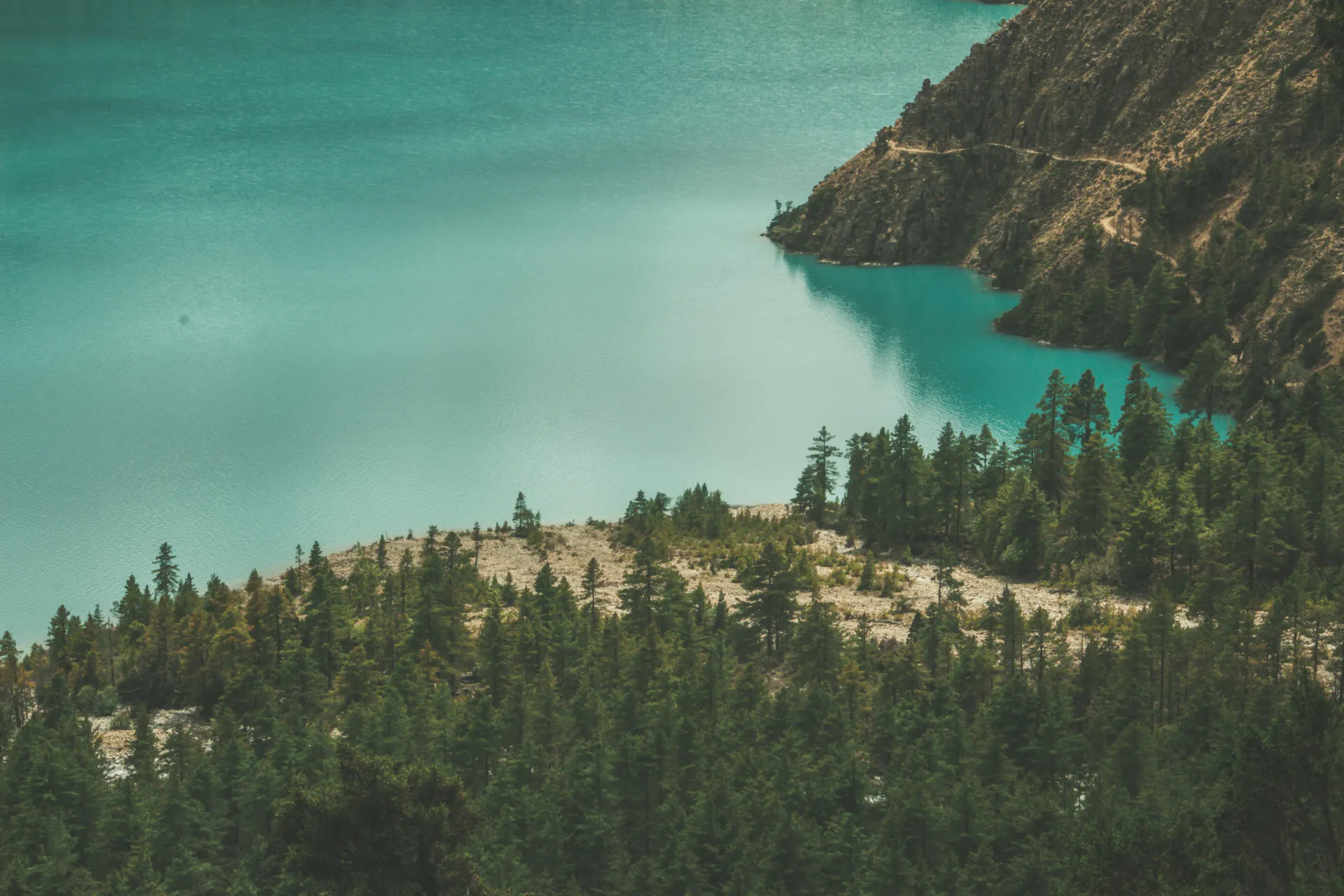
Turquoise Phoksundo LakeReach the deep-blue waters of Phoksundo Lake at approximately 3,611 m, a distinctive Y-shaped alpine freshwater lake within Shey-Phoksundo National Park, framed by steep cliffs and mountain slopes.

Bon Cultural HeritageExperience Lower Dolpo’s distinctive Bon tradition, including Thashung Gompa, a historic monastery said to be around 900 years old, in the traditional settlement of Ringmo beside the lake.

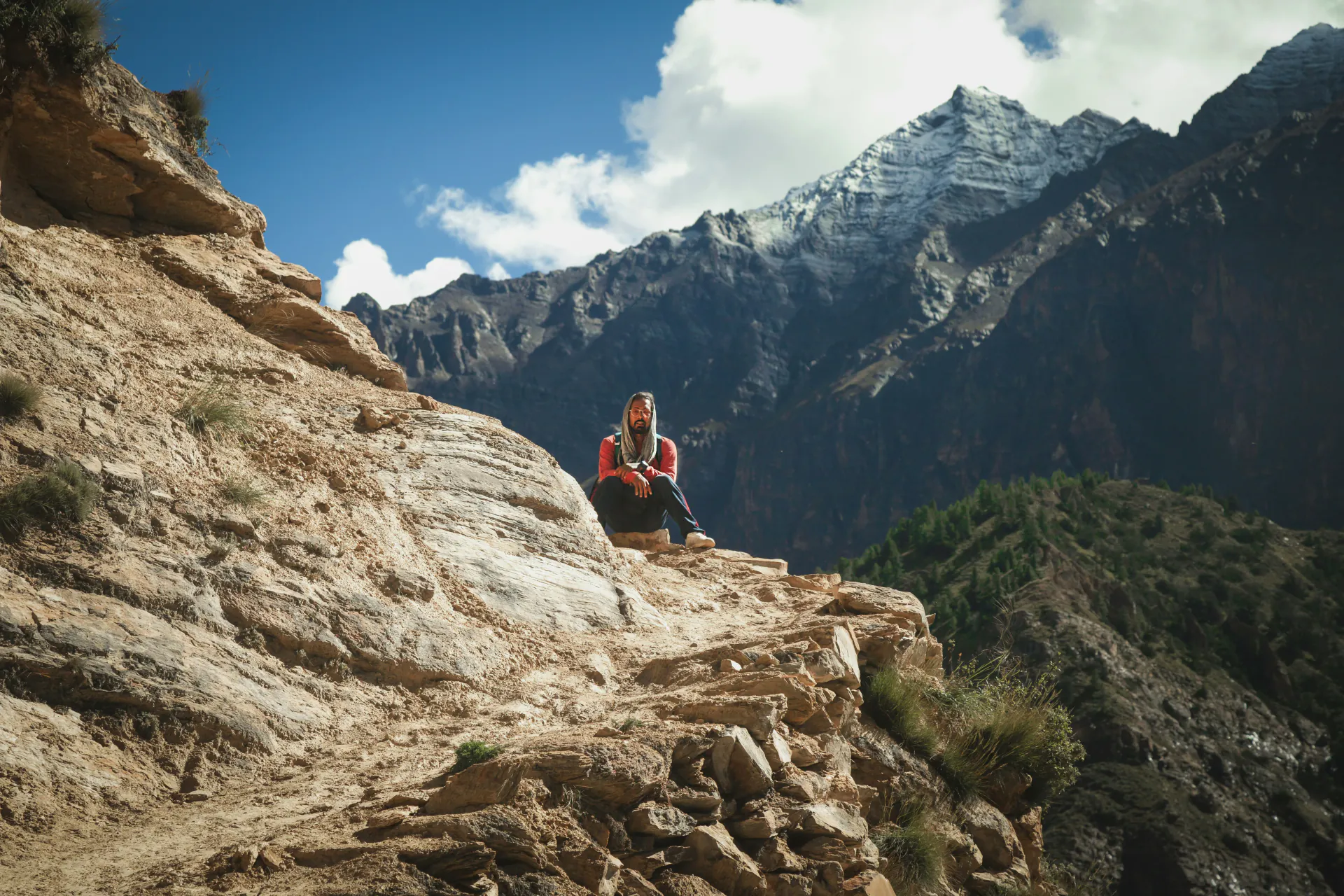
Remote Lower Dolpo WildernessTrek into the remote valleys of Lower Dolpo, following river gorges through pine, cedar, and bamboo forests while passing dramatic gorges and small mountain settlements.

Suligad WaterfallWitness the Suligad Waterfall, where water from the lake drops approximately 167 m through the gorge below, and enjoy views across the Phoksundo Valley.

Shey-Phoksundo National ParkTravel through Shey-Phoksundo National Park, home to blue sheep, Himalayan tahr, musk deer, and rare wildlife including the elusive snow leopard, though sightings are uncommon.

Altitude & Safety

Comprehensive health guidance and immediate response tools for the high altitude trekker.

What it is?

Acute Mountain Sickness (AMS), often called High Altitude Sickness, occurs when your body doesn't have enough time to adjust to lower oxygen levels at higher elevations. It is a natural physiological response, but one that demands immediate attention and respect. Think of it as your body's signal to slow down and breathe.

Symptoms

HeadacheHeadache
Rapid heartbeatRapid heartbeat
BreathlessBreathless
DizzinessDizziness
InsomniaInsomnia
FatigueFatigue
No appetiteNo appetite
NauseaNausea

Severity Levels

mild

Rest at current altitude. Do not ascend further until symptoms clear.

moderate

Immediate descent required (300-500m). Use oxygen if available.

severe

Life-threatening. Immediate emergency evacuation via helicopter.

Prevention Tips

  • Ascend slowly (no more than 300-500m per day above 3,000m)
  • Stay hydrated (3-4 liters per day)
  • Avoid alcohol and sleeping pills
  • Eat light, high-carb meals
  • Listen to your body and rest when needed

What it is?

High-altitude pulmonary edema (HAPE) is a dangerous build-up of fluid in the lungs caused by altitude-related low oxygen, not by heart failure. It usually appears 24-96 hours after a rapid ascent, often above about 2,400 m, and it can occur with or without AMS. Early diagnosis matters because HAPE can progress quickly and may be more rapidly fatal than HACE.

Symptoms

Chest congestionChest congestion
Rapid heartbeatRapid heartbeat
BreathlessBreathless
Dry CoughDry Cough
Blue LipsBlue Lips
Energy lessEnergy less
Rapid breathingRapid breathing
Breathless at restBreathless at rest

Severity Levels

Possible HAPE

Cough, chest tightness, unusual breathlessness on exertion, or a sudden drop in walking performance after ascent.

Probable HAPE

Breathlessness with mild activity, marked fatigue, rapid breathing, crackles/rales, or clearly reduced oxygen saturation compared with others at the same altitude.

Severe HAPE

Breathlessness at rest, respiratory distress, cyanosis, or pink/bloody sputum.

Prevention Tips

  • Ascend gradually.
  • Once above 3,000 m, increase sleeping altitude by no more than about 500 m per night.
  • Add an extra acclimatization night for every 1,000 m of sleeping-altitude gain.
  • Avoid overexertion during the first 48 hours at altitude.
  • Known HAPE-prone trekkers may need preventive medication from a clinician familiar with altitude medicine.

What it is?

High-altitude cerebral edema (HACE) is a severe altitude illness in which the brain swells. It is generally considered the end-stage of AMS and is defined by neurologic symptoms, especially altered mental status and ataxia. It is rare, especially below about 4,300 m, but once it starts it can deteriorate rapidly to coma within hours if untreated.

Symptoms

Severe HeadacheSevere Headache
DrowsinessDrowsiness
ConfusionConfusion
Loss of coordinationLoss of coordination
Unsteady walkingUnsteady walking
Altered behaviorAltered behavior
StuporStupor
Coma in late diseaseComa in late disease

Severity Levels

Possible HACE

A trekker at altitude develops a severe headache plus confusion, unusual behavior, or clumsy walking. Action: Treat as HACE until proven otherwise. No further ascent. Start descent urgently.

Probable HACE

Clear ataxia, altered mental status, marked drowsiness, or difficulty walking normally. Action: Immediate descent, oxygen if available, and dexamethasone if trained and equipped to use it.

Severe HACE

Stupor, inability to walk, or coma. Action: This is a life-threatening emergency. Immediate evacuation is required. If descent is not feasible right away, oxygen and a portable hyperbaric device can be lifesaving.

Prevention Tips

  • Ascend gradually and avoid going too high too fast.
  • Once above 3,000 m, limit sleeping-altitude gain to about 500 m per night.
  • Add an acclimatization day for every 1,000 m of sleeping-altitude gain.
  • Do not ascend with worsening AMS symptoms.
  • Dexamethasone is used mainly for treatment or emergency backup, while acetazolamide is preferred for prevention of AMS during ascent.
3,660 m

Maximum altitude · Shey Phoksundo Trek

Reach Out To

Specialist Hospitals

CIWEC Hospital01-4524111,01-4524242,01-4535232
Star Hospital01-5552227,01-5550198,01-5540478
Sumeru Hospital01-5275377,01-5275088,01-5275099,9801203070
Alka Hospital01-5970795,01-5455555
Norvic Hospital01-5970032
Vayodha Hospital01-4281666,01-5385013,9801019576

Helicopter Rescue

Heli Everest Serviceinfo@helieverest.com
01-4112353, 01-4112414, 9801066647, 9801088812Dabur Building (4th floor), Tinkune
Mountain Helicoptersinfo@mountainhelicoptersnepal.com
01-4111031, 9712082949Sinamangal, Kathmandu
Altitude Airreservation@altitudeheli.com
01-4113352, 01-4116665, 01-4116666Sinamangal, Kathmandu
Simrik Airinfo@simrikair.com.np
01-4155341, 01-4155342, 01-4155343, 9851010695Puspa Marg, Subidhanagar, Tinkune
Fishtail Airoperation@fishtailair.com, sales@fishtailair.com
01-4111815, 01-4111816, 01-4111802, 9802302614, 980230261Sinamangal, Kathmandu
Air Dynastybooking@airdynastyheli.com
9801089843, 01-4497418, 01-4468802Sinamangal, Kathmandu
Shree Airlinescontact@shreeairlines.com
01-4598200, 01-4596700Sinamangal, Kathmandu
Helicopter Rescue
01-4418824, 9851035514Naxal

Carry this on your Trek

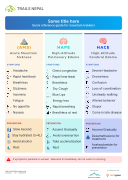
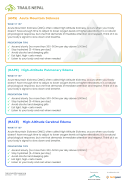
Download this offline altitude safety card before trek. Includes AMS, HAPE, and HACE symptoms and preventions.

Download Safety Card
Gear Checklist

Make sure you have everything you need

Progress0 / 32 Items

Weight: 0.0 kg

Essential

0 / 20 packed

Critical items required for safety, comfort, and completing your trek.

1.50kg
0.08kg
0.42kg
0.34kg
0.34kg
0.20kg
1
0.42kg
3
0.63kg
2
1.10kg
0.18kg
3
0.07kg
0.06kg
0.07kg
0.47kg
0.10kg
0.13kg
0.03kg
0.10kg
0.28kg
0.15kg
Shey Phoksundo trek
Shey Phoksundo trek
Shey Phoksundo trek
Shey Phoksundo trek
Shey Phoksundo trek
Shey Phoksundo trek

Shey Phoksundo Trivia

How well do you know Shey Phoksundo?

8 Questions~ 2 minutes